
What lies ahead for battery energy storage over the next five years? Seven trends reshaping the industry
In short: the competition in battery energy storage has evolved from "which cell is cheaper" to making the right strategic choices across every layer of the stack—grid-forming capabilities, installation-grade safety, plant-level energy density, localized supply chains, and verifiable asset data—these constitute the seven key drivers that will reshape the industry in 2026.
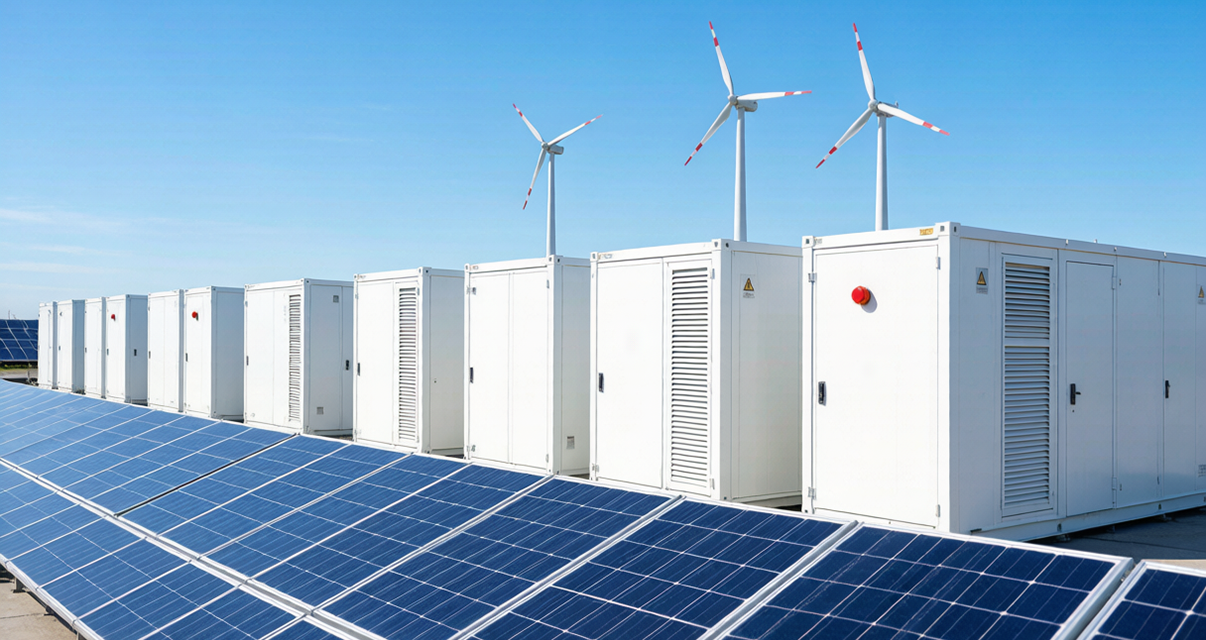
Energy storage is not merely about combining several battery packs together – it represents a comprehensive, full-stack technology solution encompassing battery containers, PCS, block controllers, and EMS. Aaroh Kharaya, Engineering Director at Primergy Solar, has identified seven trends poised to reshape the industry: the procurement and design decisions made in 2026 will be vastly different from those made in 2023.
I. Grid-Forming Capability and Black Start: From Optional Feature to Standard Feature
ERCOT new regulation: Starting from April 2026, all newly connected energy storage systems must possess grid-forming capability; other ISOs are following suit; additionally, data center-based storage solutions are driving demand. Next-generation inverters will natively support grid-forming and black-start capabilities.
II. Inverter manufacturers are exploring the Block Controller market.
The vacuum segment vacated by NEC Energy Solutions is now being filled by inverter manufacturers – many of which have introduced dedicated block controllers. For these manufacturers, controlling the core control loops is a natural progression; for developers, this enables proactive efforts to reduce costs.
III. NFPA 855 (2026): Mandatory Installation-Level Fire Test
In addition to the UL 9540A requirements at the cell level, the 2026 edition now mandates the Large-Scale Fire Test (LSFT): a fire in a single cell must not spread to adjacent cells. All DC modules and their integrators must pass this test.
IV. On-site Containerization Plan
NFPA 855 (2026) – Chain Reactions: Obtaining permits for indoor battery energy storage installations and operations is becoming increasingly challenging; outdoor container-based solutions are far more readily approved than factory facilities filled with racks – the mainstream approach is no longer focusing on indoor installations.
V. Energy Density: From Cell Coiling to the Station
A battery capacity of 500 Ah is regarded as the golden equilibrium point; the competition now extends beyond DC modules – leading OEMs are competing on station-level energy density – measured in MWh per acre. For a given capacity, the footprint is smaller, and the required civil engineering land area is reduced.
VI. Onshore LFP and DC Module Manufacturing Implementation in the United States
Structural shift: The U.S. is transitioning from net imports to domestic production. Idle capacity from the electric vehicle sector is being repurposed for LFP battery manufacturing lines; FEOC projects that the cost for non-targeted foreign entities will reach 75% by 2030, prompting a return of manufacturing activities to the U.S.
VII. Independent Battery Analysis – Flexible Insurance Coverage for Infrastructure Projects
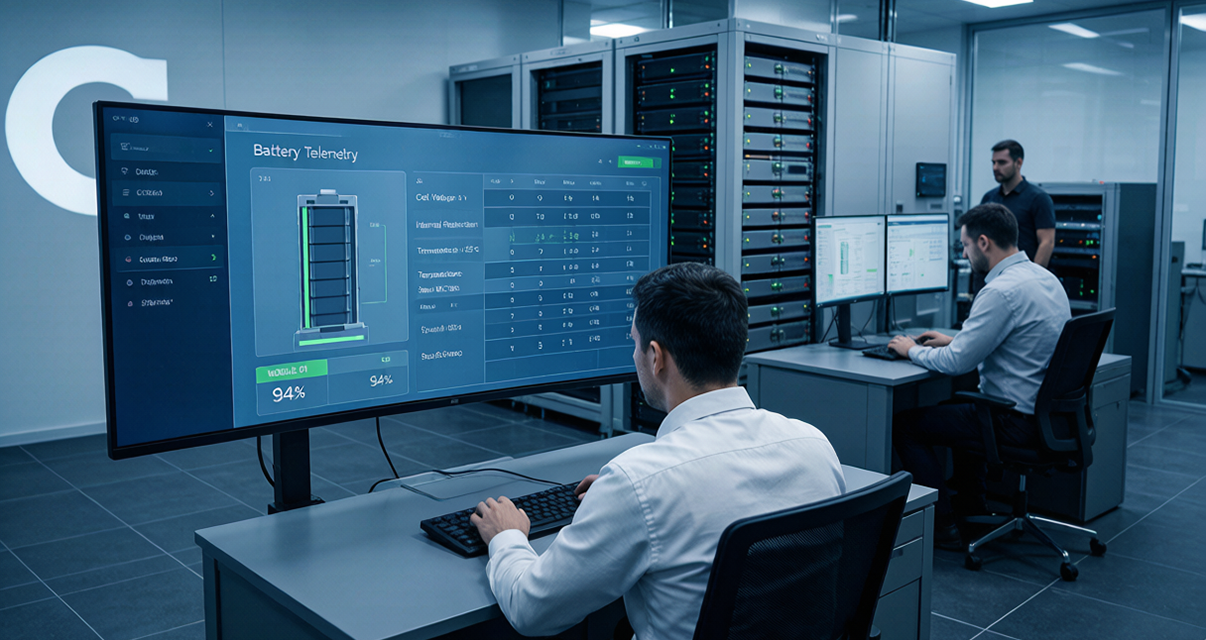
The SoH telemetry imbalance at the third-party platform level and the cell-level imbalance have been factored into insurance pricing, with some policies bearing endorsement from insurance providers. Rack-level imbalances are often misinterpreted as indicative of battery aging; however, third-party data enables precise identification of these imbalances, thereby fostering trust over a 20-year period.
Final Note | How to Use moPower
Seven key trends crystallize into a simple principle: the energy storage market is no longer about “which battery cells are cheaper,” but about making the right choices at every layer of the full-stack solution – safety, controllability, verifiability, and localization – all of which are indispensable. Leveraging 15 years of expertise and rigorous ISO-certified processes, moPower develops highly reliable energy storage cells and systems, leaving the complexity to our full-stack team and ensuring peace of mind for our customers.
Would you like to learn more about MoPower energy storage cells and system solutions? Contact us for technical and compliance configuration recommendations → https://mopower360.com/contact
Frequently asked questions
Q: What are the key trends in the battery energy storage industry for 2026?
A: There are seven key measures: the adoption of grid-connected and black-start configurations as standard requirements; inverter manufacturers expanding their offerings to include block controllers; the mandatory implementation of NFPA 855 (2026) installation-level fire safety testing; the phase-out of on-site battery installation solutions in favor of containerized solutions; the transition of energy density from cell-level to station-level deployment; the establishment of local LFP and DC module manufacturing capabilities in the United States; and the recognition of standalone battery systems as eligible for insurance coverage as infrastructure.
Q: What is grid-forming energy storage? Why should it be selected and configured separately from the standard equipment?
A: The “grid-supporting” capability refers to the ability of an energy storage inverter to actively support grid voltage and frequency stability, as well as to enable black start functionality. ERCOT has required that all new grid-connected energy storage systems possess this capability as of April 2026; other ISOs will follow suit. Additionally, the growing demand for energy storage at the user side – such as in data centers – has further driven this requirement, making it a standard configuration.
Q: What is the impact of NFPA 855 (2026) on energy storage deployment?
A: In addition to the unit-level UL 9540A requirement, the 2026 edition introduces a new mandatory Installation-Level Large-Scale Fire Test (LSFT) requirement: a fire originating in a single battery cell must not spread to adjacent cells. This shift is driving energy storage systems from indoor installations to outdoor container-based deployments, where both design and permitting must comply with the “no spread” principle.
Q: How does the FEOC regulation impact the battery energy storage supply chain?
A: The U.S. FEOC (Foreign Entity of Concern) rule requires that the proportion of non-FEOC costs in energy storage systems must reach 75% by 2030; coupled with the deployment of domestic LFP manufacturing capacity and the relocation of manufacturing and supply chain operations back to the U.S., developers must simultaneously consider both compliance and localization when procuring equipment.