What Is an Inverter and What Does It Do?
Introduction
In today’s energy landscape—where solar power, backup systems, and smart energy management are becoming essential—inverters play a central role. Whether for residential use or commercial applications, understanding what an inverter is and how it works can help you make better decisions when selecting an energy storage solution.
What Is an Inverter?
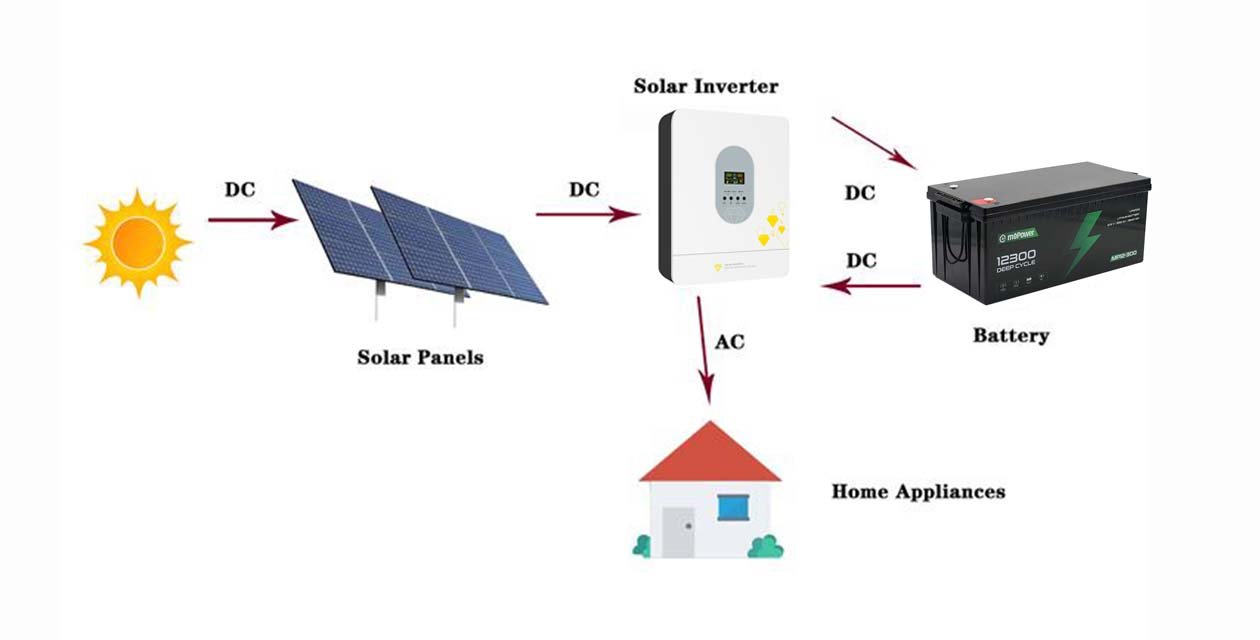
An inverter is an electrical device that converts direct current (DC) into alternating current (AC).
- DC powercomes from sources like solar panels and batteries
- AC power is what most home appliances and industrial equipment use
Without an inverter, the energy stored in batteries or generated by solar panels cannot be used directly for daily operations.
What Does an Inverter Do?
An inverter is not just a converter—it is the core control center of an energy system.
1.Power Conversion
The primary function is to convert DC electricity into stable AC power, ensuring compatibility with household appliances such as air conditioners, refrigerators, and lighting systems.
2.Energy Management
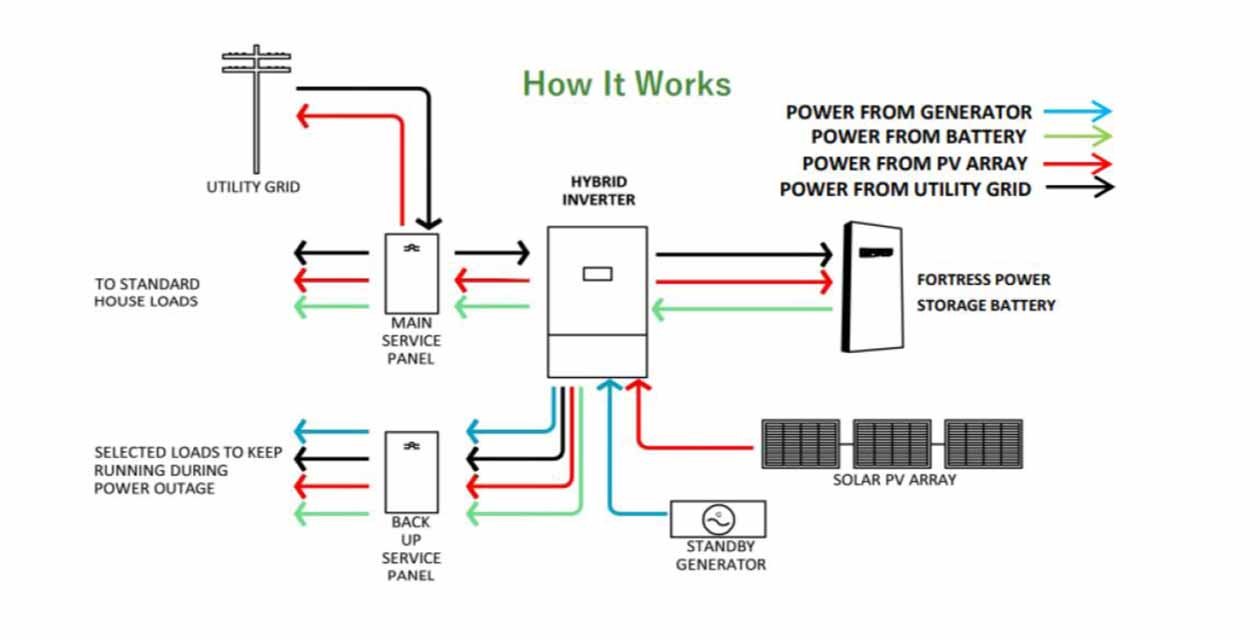
Modern inverters—especially hybrid inverters—can intelligently manage energy flow between:
- Solar panels
- Battery storage
- Utility grid
- Load (home or business consumption)
This ensures maximum energy efficiency and reduced electricity costs.
3. Backup Power Supply
During grid outages, the inverter automatically switches to battery power, ensuring uninterrupted electricity supply for critical loads.
4. System Protection
Advanced inverters include built-in protection features such as:
- Overload protection
- Short-circuit protection
- Overcharge and over-discharge protection
These features enhance both system safety and battery lifespan.
Types of Inverters
Understanding the different types of inverters helps you choose the right solution:
Grid-Tied Inverter
Works with the utility grid but does not store energy.
Off-Grid Inverter
Operates independently, ideal for remote areas.
Hybrid Inverter (Recommended)
Combines grid, solar, and battery functions into one system.
How to Choose the Right Inverter?
When selecting an inverter, consider:
- Power capacity(match your load requirements)
- Battery compatibility(especially lithium batteries)
- System type(grid-tied, off-grid, or hybrid)
- Monitoring and control features
- Safety and certifications
Choosing the right inverter ensures long-term reliability and optimal performance.
Recommended Solution: moPower Hybrid Inverter
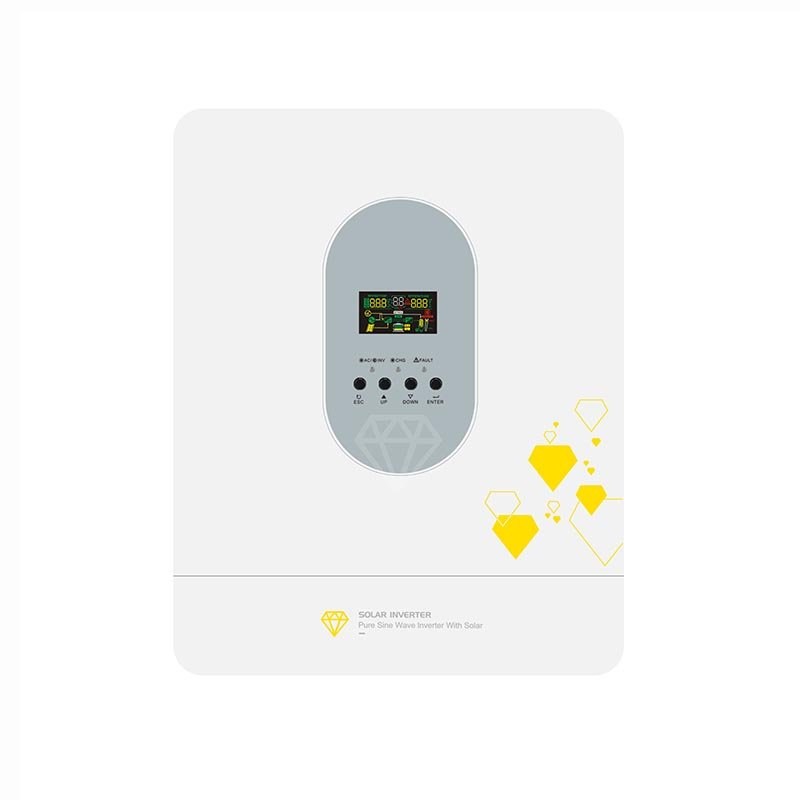
If you are looking for a reliable and flexible inverter solution, the moPower Series Solar Hybrid Inverter (1.6kW–11kW) is designed to meet diverse energy needs.
Key Features:
- Built-in MPPT (Max 150A)for efficient solar charging
- Pure sine wave outputfor stable and safe power
- WiFi monitoringfor real-time system control
- BMS communicationfor seamless battery integration
- Wide power range (1.6kW–11kW)for residential and light commercial use
Ideal Applications:
- Home energy storage systems
- Small commercial setups
- Backup power solutions
- Off-grid or hybrid solar installations
Why Choose a Hybrid Inverter?
For modern energy applications, hybrid inverters are the most versatile solution.
They allow you to:
- Store excess solar energy for later use
- Reduce reliance on the grid
- Ensure backup power during outages
- Optimize energy consumption automatically
Conclusion
An inverter is the heart of any modern energy system, enabling the efficient use of solar power and stored energy. With the growing demand for energy independence and sustainability, hybrid inverters are becoming the preferred choice for both residential and commercial users.
The moPower Hybrid Inverter offers a smart, efficient, and scalable solution—helping users reduce energy costs, improve reliability, and move toward a cleaner energy future.