
The U.S. energy storage market is accelerating its deployment: multiple battery storage projects in Texas, Puerto Rico, and Utah have achieved significant progress
I. Industry Overview: U.S. Energy Storage Enters the Phase of Large-Scale Implementation
In recent years, the United States has emerged as one of the world’s fastest-growing energy storage markets. Driven by rapid renewable energy adoption, growing demand for grid flexibility, and increasing electricity price volatility, battery energy storage systems (BESS) are transitioning comprehensively from the planning and financing phase to the engineering implementation and commercial operation phase.
According to the latest industry developments, energy storage projects across multiple regions in the United States have made significant progress, marking a new phase of transition for the sector from policy-driven initiatives to market-driven profitability.
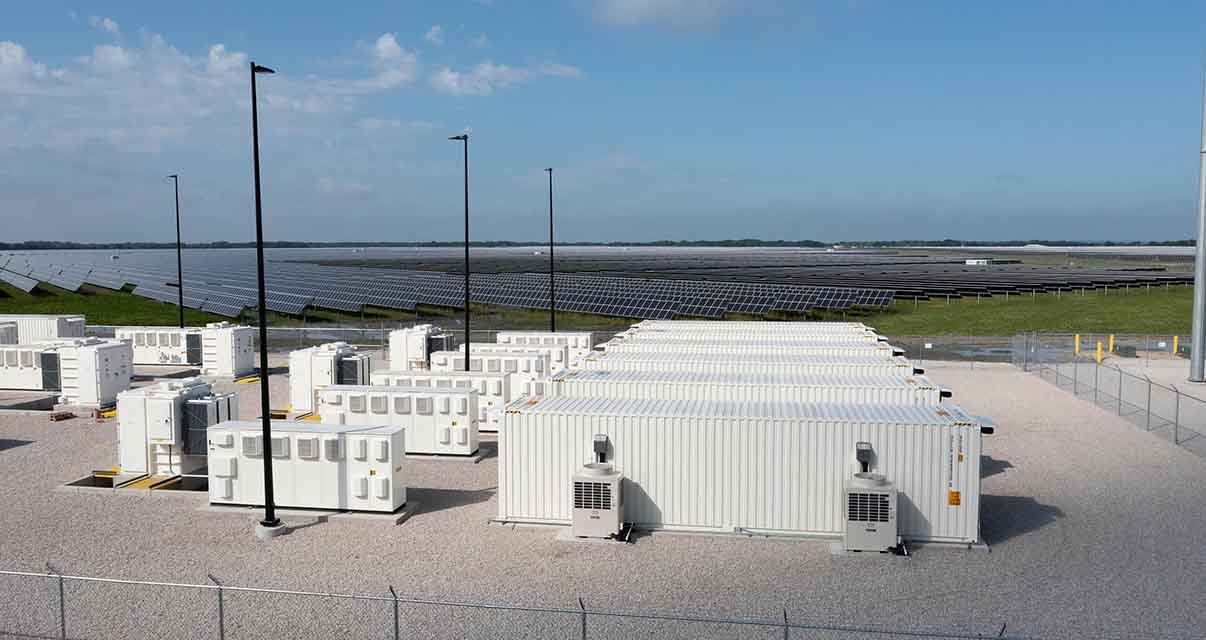
II. Progress on Key Projects: Three major developers are accelerating the deployment of regional energy storage systems
According to industry reports, Spearmint Energy, Polaris Renewable Energy, and Clearway Energy Group have made significant progress across multiple regions, with projects spanning three key markets: Texas, Puerto Rico, and Utah.
1. Texas: A surge in energy storage under a market-driven electricity system
The ERCOT electricity market in Texas is renowned for its high degree of marketization and significant price volatility, endowing energy storage systems with substantial value in both peak-valley arbitrage and ancillary services.
Spearmint Energy has achieved milestone progress in multiple local battery energy storage projects, further demonstrating the commercial viability of standalone energy storage systems in highly volatile power markets.
Texas is emerging as one of the most dynamic regions in the United States for energy storage deployment, driven primarily by the following factors:
- The penetration rate of renewable energy (wind power, solar power) continues to rise
- Increased demand for grid peak shaving and reserve capacity
- The arbitrage opportunities arising from electricity price fluctuations have expanded.
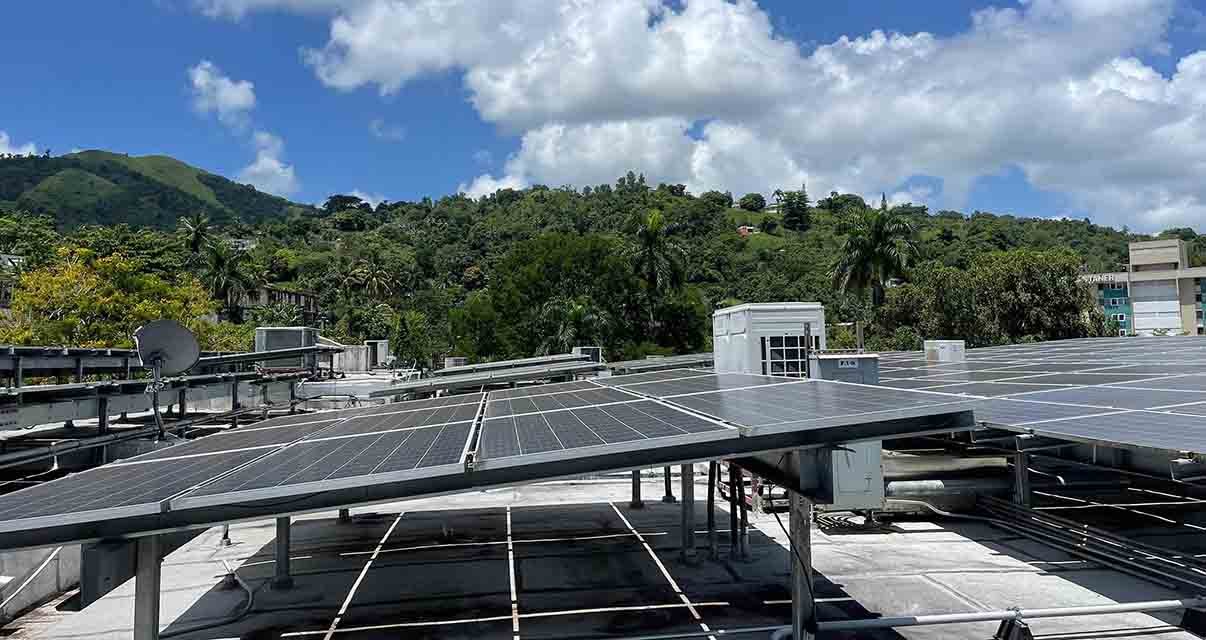
2. Puerto Rico: The island’s power grid drives strong demand for energy storage
The Puerto Rican power grid is relatively independent and requires high disaster resilience; therefore, energy storage systems primarily serve as “grid stabilizers” in this region.
The energy storage projects promoted by Polaris Renewable Energy are primarily used for:
- Improve grid frequency stability
- Enhance emergency backup power capacity
- Reduce power supply risks caused by extreme weather
The characteristics of island-type power grids have made energy storage no longer an “optional feature,” but a fundamental component of power security infrastructure.
3. Utah: Emerging Energy Storage Infrastructure Development Amid the Clean Energy Transition
The energy storage project being developed by Clearway Energy Group in Utah exemplifies the accelerating trend of clean energy adoption across the central United States.
This regional energy storage project primarily serves:
- Integration of photovoltaic power generation into the grid
- Grid peak shaving requirements
- Optimization of long-term power balance
The Utah project further demonstrates that energy storage has expanded from coastal high-load areas to inland renewable energy bases.
III. Industry Trend Analysis: The Three Core Drivers of Energy Storage Development in the United States
Based on the progress of this project, three key trends in the U.S. energy storage industry can be identified:
1. Transition from policy-driven approaches to market-driven outcomes
Early-stage energy storage primarily relied on government subsidies, whereas today’s projects depend more heavily on:
- Electricity arbitrage profit
- Auxiliary Services Market
- Capacity Market Mechanism
The business model is gradually maturing.
2. The “highly volatile electricity market” has become the ideal environment for energy storage.
The unique characteristics of markets such as Texas ERCOT endow energy storage with inherent profitability.
- Electricity prices fluctuate significantly.
- The proportion of renewable energy is high.
- There is a strong demand for grid regulation.
3. Large-scale production and standardization have become the mainstream.
The project is progressing step by step:
- Scale of 100 MW or more
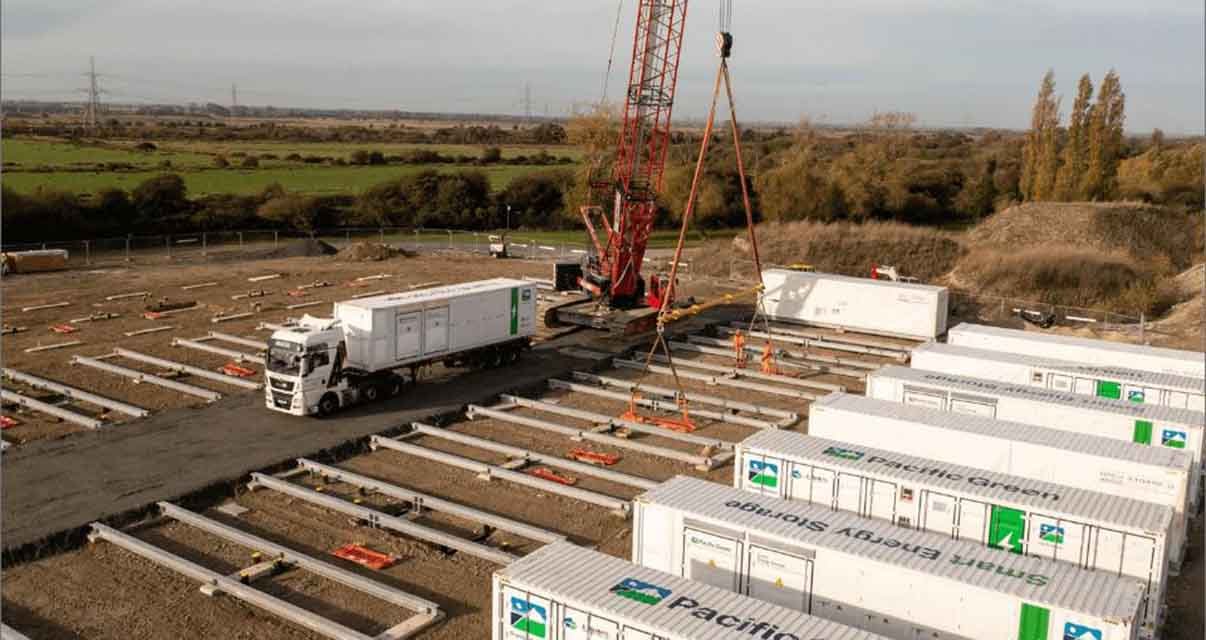
- Standardized Design for Container Packaging
- System-level integration solutions
- Develop and enhance construction efficiency as well as cost control capabilities.
IV. Implications for the Global Energy Storage Market
The rapid growth of the U.S. market serves as a significant reference for the global energy storage industry:
- Energy storage has become a core infrastructure of the new power system.
- “Photovoltaics + energy storage” is becoming the mainstream energy combination.
- System integration capability has become a key competitive barrier for enterprises.
- Regionalized electricity markets will accelerate the commercialization of energy storage technologies.
For energy storage companies expanding globally, possessing project delivery capabilities and localized solution expertise will become their core competitive advantage.
V. Conclusion: Energy Storage Enters the Project Implementation Phase
From Texas to Puerto Rico and then to Utah, the ongoing implementation of energy storage projects across the United States demonstrates that the industry has entered a critical phase transitioning from planning blueprints to large-scale deployment.
With technological maturity and refined business models, energy storage systems will play an increasingly pivotal role in the global energy transition.