Australia’s residential energy storage market is booming: 400,000 households have installed battery systems, reflecting the accelerating global shift toward home energy transition
As the global energy transition continues to advance, residential energy storage is evolving from an optional feature into a vital component of household energy systems. Recently, Australia’s residential energy storage market has achieved another significant milestone: the number of deployed battery storage systems across the country has exceeded 400,000 units, with cumulative newly added capacity reaching 11.2 GWh, making it one of the fastest-growing markets globally in this sector.
According to data released by the Australian federal government, driven by the Cheap Home Batteries Program, approximately 2,000 home energy storage systems are installed daily across Australia. In less than a year, newly added residential energy storage capacity has reached 11.2 GWh, demonstrating the rapidly growing demand for household energy independence.
Why is Australia’s household savings market growing so rapidly?
1. High electricity prices are driving up demand for household energy storage systems.
In recent years, electricity prices in Australia have exhibited persistent fluctuations, leading to a significant increase in residential demand for reduced power costs. Through “photovoltaic + energy storage” systems, households can utilize solar power generation during daytime hours and employ stored electricity at night, thereby reducing reliance on the public grid.
2. Government subsidy policies continue to be strengthened
The Australian government’s residential energy storage subsidy program has been expanded from an initial 2.3 billion Australian dollars to 7.2 billion Australian dollars, with a focus on supporting the installation of home energy storage systems. These policy incentives have significantly reduced users’ initial investment costs and accelerated the adoption of household energy storage solutions.
3. Global leadership in photovoltaic adoption rates
Australia boasts one of the highest household photovoltaic adoption rates globally, with a significant number of households already meeting the prerequisites for installing energy storage systems. As battery costs continue to decline, an increasing number of households are upgrading to integrated solar-storage energy systems.
The global residential energy storage market has entered a phase of rapid growth.
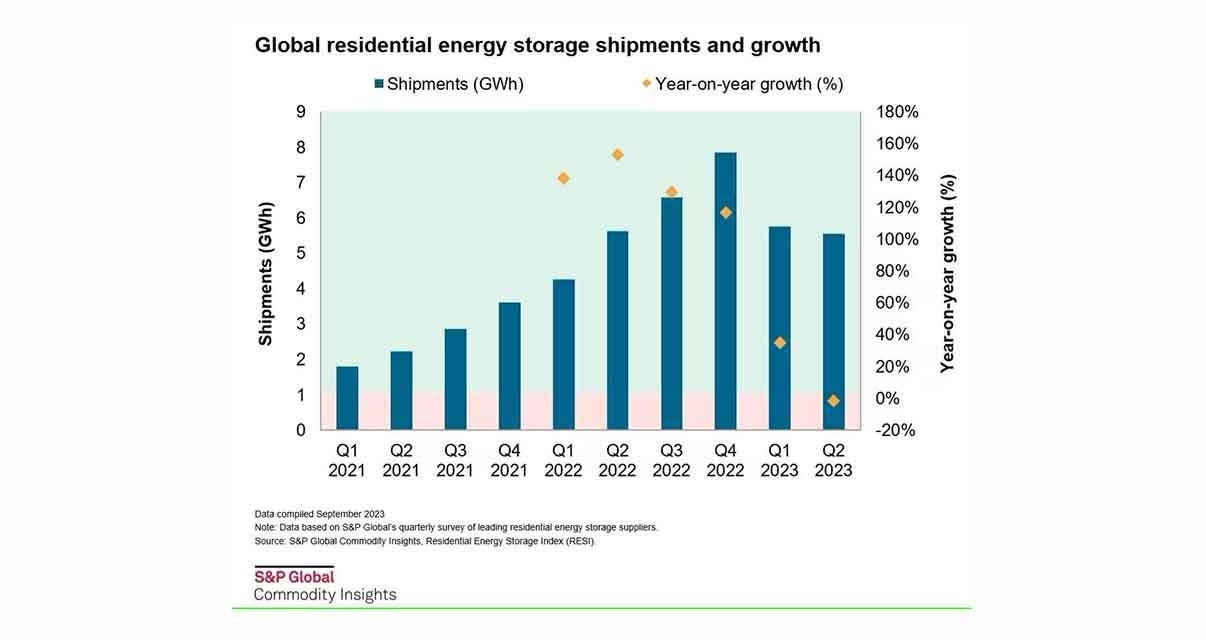
Not only in Australia, but also in markets such as the United States, Germany, and Italy, the deployment of residential energy storage systems is expanding rapidly. Industry data indicate that the global household energy storage market will continue to grow at a high rate in the coming years, with home energy management emerging as a key growth driver for the new energy sector.
For energy storage companies, residential energy storage has evolved beyond mere product competition; it now revolves around key aspects:
- Highly safe lithium battery technology
- Intelligent Energy Management System (EMS)
- High-efficiency inverter
- Integrated Solution for Power Generation, Energy Storage, and Charging
- Long lifespan and localized service capabilities
Develop comprehensive competition.
MoPower helps upgrade household energy systems worldwide.
As a leading provider of professional new energy storage solutions, moPower delivers high-performance home energy storage systems, lithium battery packs, inverters, and integrated photovoltaic-storage solutions to clients worldwide, widely used in applications such as household backup power, off-grid power supply, and photovoltaic energy storage.
The moPower home energy storage product offers the following advantages:
- High cycle life LiFePO4 battery
- Intelligent BMS Safety Management System
- Supports both grid-connected and off-grid applications
- Modular expansion design
- Compatible with mainstream inverters worldwide
- Meets market demands in Europe, Australia, Africa, and other regions
As the global energy structure continues to shift toward green and low-carbon development, residential energy storage is becoming a critical infrastructure for future household energy systems. The rapid growth of the Australian market also sends a positive signal to the global energy storage industry: the era of household energy self-sufficiency has arrived.