
The combined costs of renewable energy and energy storage are significantly lower than those of fossil fuels, marking a rapid acceleration in the global energy transition
The latest report by the International Renewable Energy Agency (IRENA) indicates that in regions with high-quality wind and solar resources, the levelized cost of electricity (LCOE) for integrated power systems combining photovoltaics, wind power, and energy storage has already fallen below that of traditional fossil fuel power generation. This signifies a shift in the global energy sector from policy-driven approaches to economics-driven strategies, marking a new phase in the energy transition.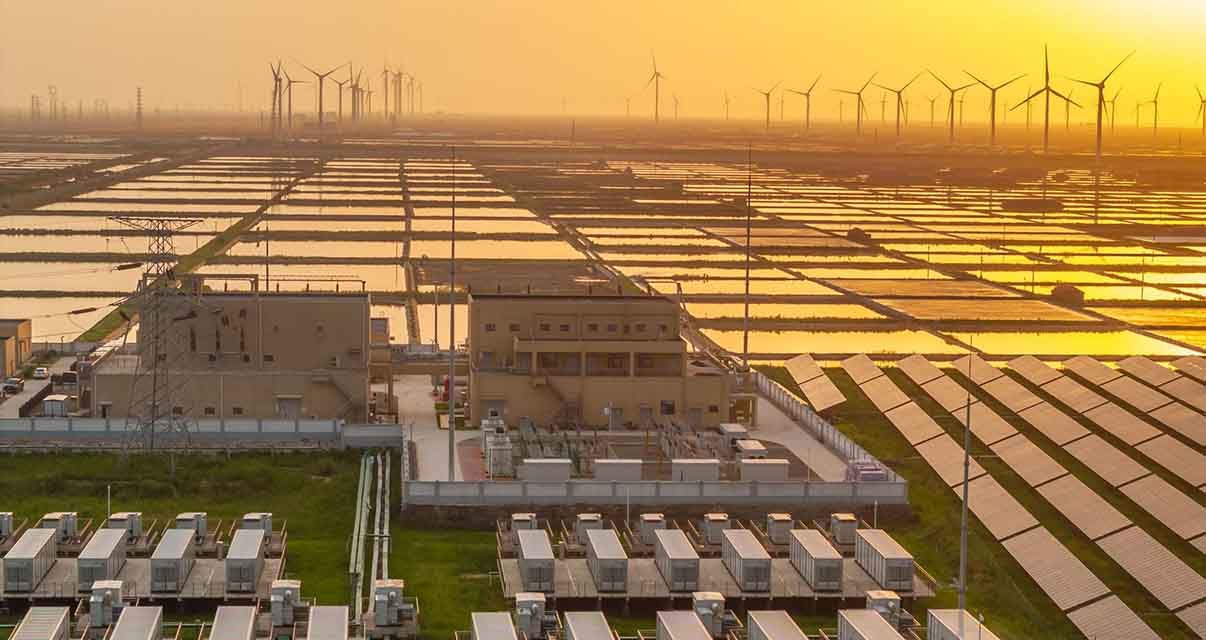
According to IRENA data, since 2010, the cost of global solar photovoltaic power generation has fallen by approximately 87%, onshore wind power by 55%, and battery energy storage systems by as much as 93%. Meanwhile, global energy storage deployment continues to grow rapidly, becoming a critical pillar for integrating high proportions of renewable energy into the grid.
Energy storage has become the core infrastructure for the development of new energy sources.
With the increasing share of renewable energy, the power system’s demand for “flexibility” and “stability” has significantly risen. Traditional thermal power plants have long played a key role in peak shaving and ensuring stable power supply; however, energy storage systems are now rapidly replacing these functions.
Especially in large-scale photovoltaic power plants, wind farm complexes, industrial and commercial energy management systems, and microgrid applications, lithium-ion battery energy storage has become a crucial solution for enhancing energy efficiency.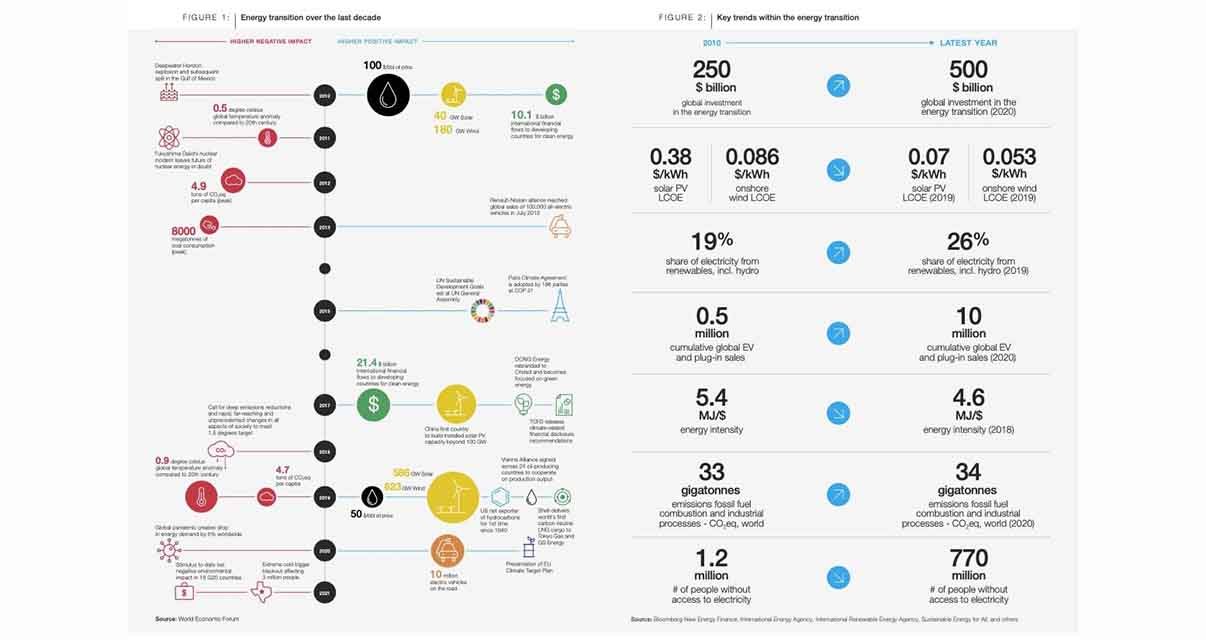
The current market exhibits the following distinct trends:
- Photovoltaic-storage integration projects are growing rapidly
- Demand for industrial and commercial energy storage continues to surge
- The large-scale energy storage project is advancing towards a capacity of GWh level.
- Liquid-cooled energy storage technology has become mainstream
- AI-powered energy management is becoming increasingly widespread
The industry widely agrees that “new energy plus energy storage” will become the standard configuration for global power systems in the future.
The global market has entered a period of rapid growth.
According to forecasts by multiple international institutions, the global energy storage market will continue to experience rapid growth until 2030. Emerging markets in Asia, the Middle East, Europe, Latin America, and Africa are accelerating their deployment of new energy infrastructure.
Among these, China continues to maintain a global leading position in energy storage industry chain manufacturing, system integration, and project applications. With the decline in cell costs and improvements in system efficiency, the return on investment period for energy storage products is further shortening.
For enterprise users, energy storage not only reduces electricity costs but also enhances energy independence and power supply stability. In regions with significant electricity price fluctuations, the payback period for commercial and industrial energy storage projects has been shortened to 3–5 years.
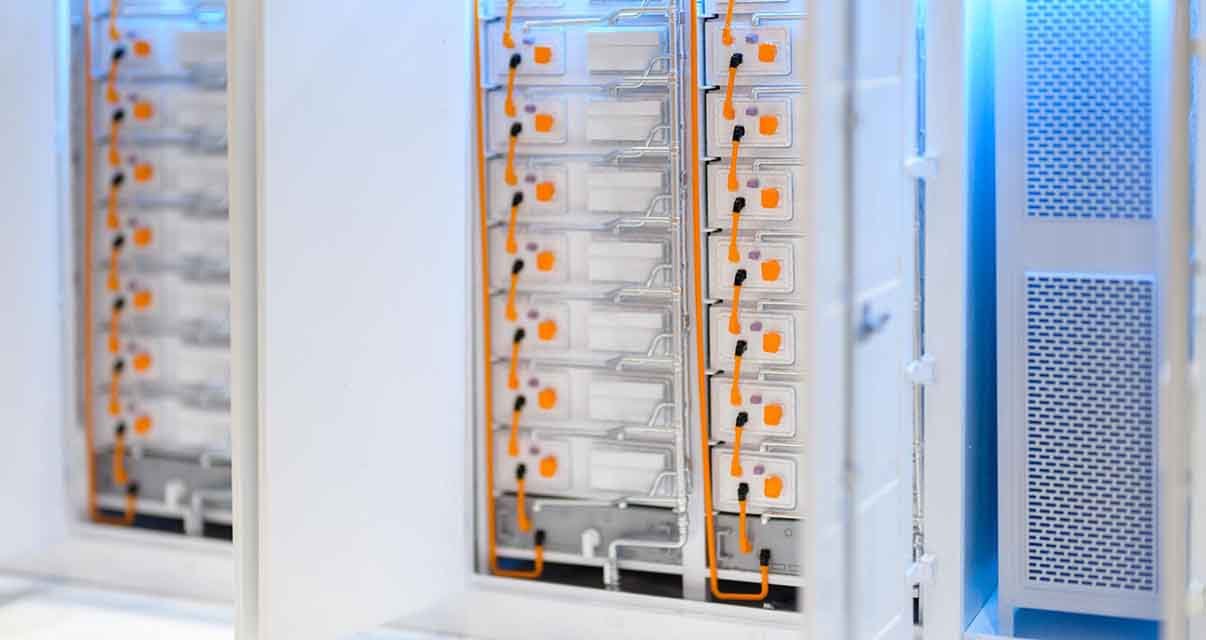
MoPower supports the global transition to green energy.
As a leading provider of energy storage system solutions, moPower specializes in the research, development, and manufacturing of lithium battery packs, residential energy storage systems, industrial and commercial energy storage systems, as well as inverters.
To meet diverse global market demands, moPower continuously launches energy storage solutions featuring high safety, extended cycle life, and excellent compatibility, suitable for a wide range of applications:
- Home Solar Energy Storage
- Industrial and commercial activities aim to reduce peak demand periods and balance demand fluctuations.
- Off-grid and Microgrid Systems
- Energy storage for communication base stations
- Integrated Photovoltaic, Storage, and Charging Project
Against the backdrop of ongoing upgrades in the global energy structure, energy storage has evolved beyond being merely a supporting component for renewable energy; it is now becoming a core element of modern power systems.
In the future, as energy storage technologies mature further and costs continue to decline, the combination of renewable energy and energy storage will accelerate the replacement of traditional fossil fuels, driving global energy transition toward a greener, lower-carbon, and more efficient direction.