Sodium-ion battery energy storage: US companies accelerate commercialization, localization of safety becomes the key to success
Recently, U.S. energy storage developers Peak Energy, ESS Tech, and Unigrid have successively announced progress, accelerating the deployment of sodium-ion battery energy storage systems (Na-ion ESS) across both the U.S. and European markets. From utility-scale plants to residential backup power solutions, sodium-ion technology is transitioning from the laboratory to real-world orders. As seasoned industry players with extensive experience in lithium-ion batteries and energy storage systems, we believe this trend warrants serious attention – it is not intended to “replace” lithium-ion batteries, but rather to fill a critical gap in the energy storage landscape.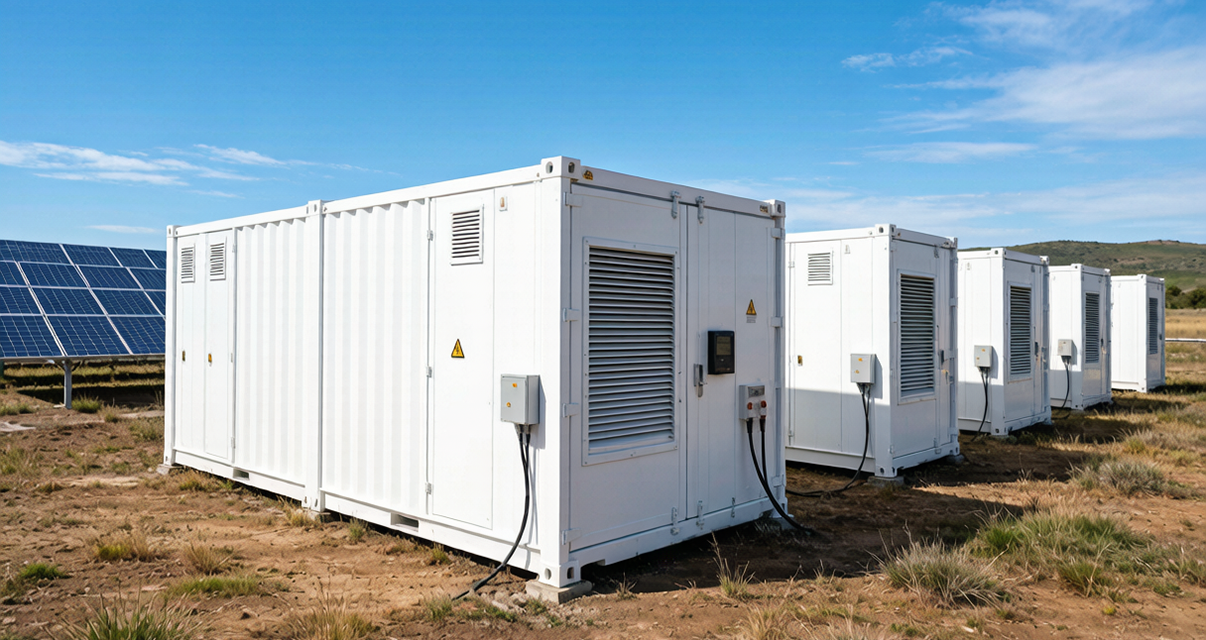
Figure: Schematic diagram of a large-scale grid-level battery energy storage system (BESS); the sodium-ion battery technology is rapidly advancing toward deployment in power plants.
1. Why sodium ions?
The underlying rationale behind the growing popularity of sodium-ion batteries is straightforward: they are safer, easier to transport, more resilient to extreme temperatures, and utilize more affordable materials.
Safety is the primary driving force. As the deployment of lithium-ion batteries expands, the fire risk has become a key concern for investors, whereas sodium-ion battery systems offer significantly superior thermal stability. In terms of transportation, sodium-ion batteries can be fully discharged without any performance degradation, thereby eliminating the safety concerns associated with transporting lithium-ion batteries at low charge levels; regarding temperature performance, they can operate reliably even under extreme climatic conditions. Materials play a crucial role—sodium is the sixth most abundant element on Earth and can be produced locally, reducing dependence on the lithium supply chain.
II. Concrete Actions by Three U.S. Companies
Peak Energy has selected Sacramento, California, to build a sodium-ion battery energy storage facility with an annual capacity of 4 GWh, involving a capital investment of approximately US$71 million; the company has announced that it is commercializing the “world’s first grid-scale sodium-ion battery energy storage system” – a solution that requires no planned maintenance and can directly replace lithium-ion battery systems; it has also entered into a R&D partnership and investment agreement with General Motors (GM) and co-founded the American Battery Leadership Coalition (ABLC).
ESS Tech has launched the ESS Bridge – a modular product: a 1.2 MWh unit can be housed within a 10-foot container; when stacked, the total capacity reaches 4.8 MWh. This solution is claimed to completely eliminate fire risks, eliminate the need for complex liquid cooling systems, and offer a discharge duration of 1–16 hours.
Unigrid has turned its focus to the residential market; its first-generation residential sodium-ion battery system, Na+Casa (9.25 kWh), has been delivered across Europe, with a nominal service life of 25 years and compatibility with most hybrid inverters.
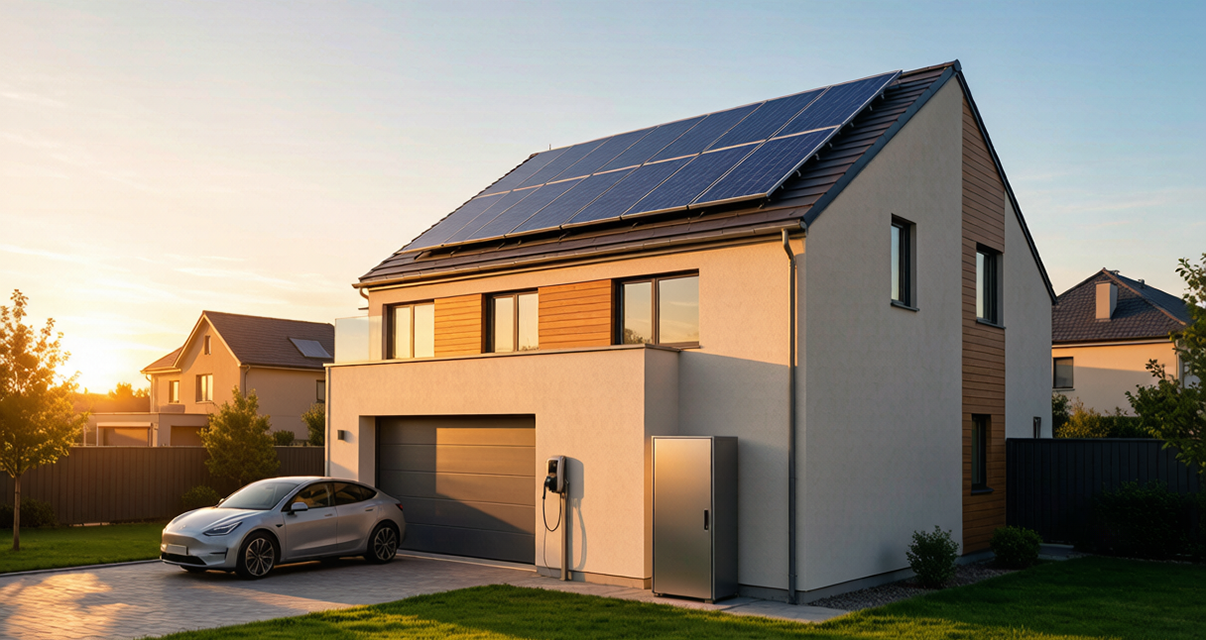
Figure: In residential energy storage applications, sodium-ion batteries are increasingly entering the home backup power supply and photovoltaic self-consumption markets.
III. Implications for the Energy Storage Industry
Safety is evolving from a “bonus feature” to a “hard requirement.” Whether it’s sodium-ion or lithium-ion batteries, system-level safety design (BMS, thermal management, fire protection) is where customers truly invest their money.
Localization and compliance have become new key factors. Under requirements such as FEOC, supply chain deployment and local manufacturing capabilities are becoming increasingly valuable.
The technological landscape will not be dominated by a single player. Lithium-ion batteries remain the primary choice due to their maturity and cost-effectiveness, while sodium-ion batteries serve as a complementary solution in scenarios involving low temperatures, safety sensitivity, or resource constraints – a diversified coexistence is the norm.
The trend is here – the key to successful implementation lies in the details. Leveraging rigorous ISO certification processes and 15 years of battery expertise, moPower delivers highly reliable lithium-ion energy storage solutions while continuously monitoring the development of sodium-ion battery technologies.
👉 Contact us to discuss your energy storage project