Germany Energy Storage Market: Grid Reform and Policy Changes Impact BESS Development
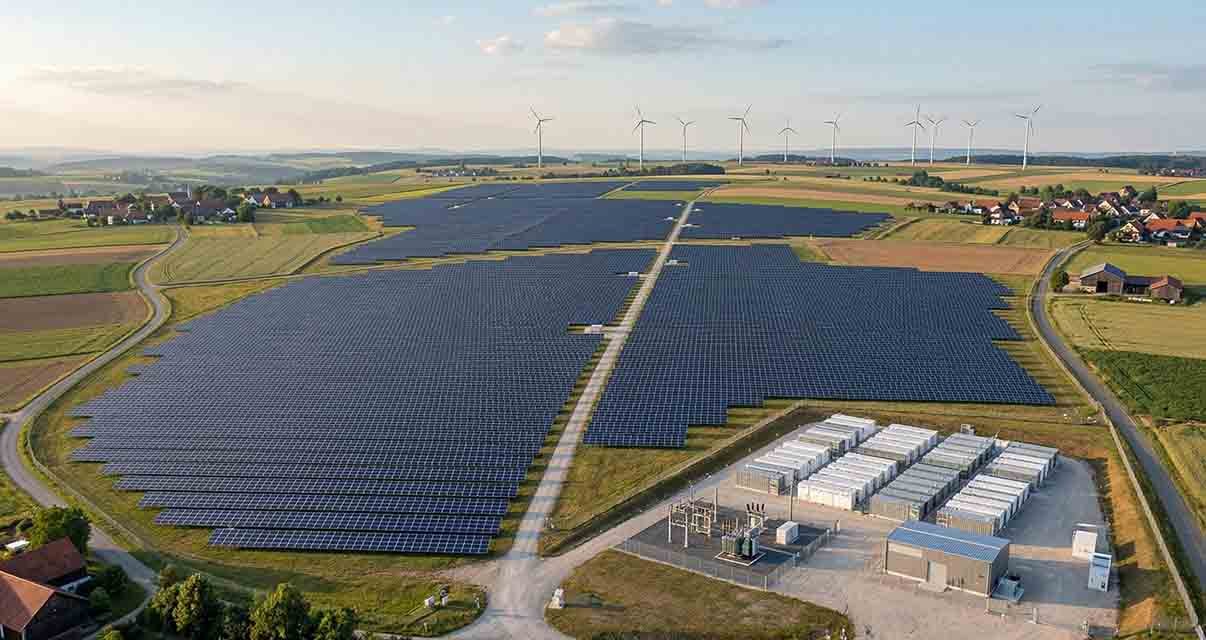
As Europe’s energy transition continues to deepen, Germany is emerging as a key market for the global energy storage industry. However, the German energy storage sector has recently faced new challenges: although numerous energy storage projects possess development potential, many of these projects still struggle to enter the actual construction phase due to uncertainties surrounding grid connection approvals, grid capacity constraints, and grid-related cost policies.
The core issues of concern within the industry primarily revolve around two aspects: how energy storage projects can be integrated into the grid more efficiently, and whether future grid cost exemption policies can be sustained.
This change will not only affect Germany’s energy storage market but will also have a significant impact on the development model of the entire European energy storage industry.
I. Germany’s energy storage market is experiencing rapid growth, but grid integration has become a new bottleneck.
In recent years, Germany has vigorously developed solar and wind power generation, aiming to reduce its dependence on traditional energy sources and achieve a low-carbon energy transition.
However, with the rapid expansion of new energy installed capacity, the power system is also facing new pressures:
- New energy power generation exhibits volatility;
- Local power grid capacities are insufficient;
- The grid connection period for energy storage projects has been extended;
- There is uncertainty regarding the project’s investment returns.
Energy storage systems should ideally serve as a key tool for addressing fluctuations in renewable energy generation; however, if they cannot be seamlessly integrated into the power grid, it becomes difficult for them to fulfill their regulation function.
Currently, several large-scale battery energy storage projects in Germany are facing extended construction cycles; the industry believes that optimizing grid-connection procedures and clarifying policies will be key drivers for advancing the development of energy storage.
II. The power grid fee exemption policy has become a focal point of market attention.
In addition to grid integration issues, another key concern for Germany’s energy storage sector is the reform of grid tariff policies.
In the past, Germany offered preferential grid connection tariffs for certain energy storage projects to reduce their operating costs and enhance their economic viability.
However, as Germany’s grid tariff reform progresses, energy storage companies are beginning to focus on future policy directions. The Federal Network Agency of Germany is currently studying a new grid tariff system, aiming to ensure grid investment while simultaneously improving the operational efficiency of the energy system.
For energy storage projects, grid connection costs directly impact the return on investment:
If energy storage systems are required to bear higher grid costs, project returns may decrease;
Maintaining reasonable cost incentives will help encourage the development of more energy storage projects.
Therefore, balancing “grid construction costs” and “the value of energy storage systems” has become a key issue in Germany’s energy policy.
III. Energy storage is not merely energy equipment; it is also a grid flexibility resource.
From the perspective of energy transition, energy storage is not merely a battery-based device, but rather a crucial component of future smart grids.
Large-scale battery energy storage systems (BESS) can help Germany achieve:
1. Enhancing the integration capacity of new energy sources
When wind and solar power generation exceeds demand, energy storage systems can absorb the excess electricity to reduce curtailment.
2. Relieves grid pressure
Energy storage can release energy during peak electricity demand periods, thereby reducing the grid’s instantaneous load.
3. Provision of Ancillary Services
The stability of the power system is enhanced through methods such as frequency regulation and peak shaving.
Therefore, a well-designed energy storage policy not only benefits energy storage enterprises but also helps reduce future grid upgrade costs.
IV. Adjustments in the German market and their implications for energy storage enterprises
Germany’s energy storage market is transitioning from a phase of rapid growth to a more mature stage of development.
Companies entering the European market in the future should pay closer attention to the following aspects:
First, product adaptability
The European market does not merely focus on price; it places greater emphasis on safety, cycle life, system efficiency, and certification standards.
Second, localized service capabilities
Energy storage projects encompass installation, commissioning, operation and maintenance, as well as long-term services; local partners will become a critical factor in market competition.
Third, business model innovation
In the future, the sources of revenue from energy storage will become more diversified, including:
- Peak-valley electricity price arbitrage;
- Grid ancillary services;
- Supporting energy storage for new energy;
- Virtual Power Plant Operations.
Enterprises need to evolve from merely selling equipment to providing comprehensive energy solutions.
V. moPower continues to closely monitor European energy storage development trends.
As a provider of new energy storage solutions, moPower remains closely attentive to developments in the European energy market, offering safe, efficient, and intelligent energy storage products for residential, commercial, and industrial users.
The development of Germany’s energy storage market demonstrates that building a future energy system will require not only more renewable energy sources but also more flexible and reliable energy storage systems.
Although Germany’s energy storage sector currently faces challenges related to grid integration and policy adjustments, in the long term, as the share of renewable energy continues to rise, energy storage will remain an indispensable component of Europe’s energy transition infrastructure.
In the future, energy storage companies with strong technical capabilities, competitive products, and robust service offerings will have access to more development opportunities in the European market.