How Does Energy Storage Work? A Simple Guide for Beginners
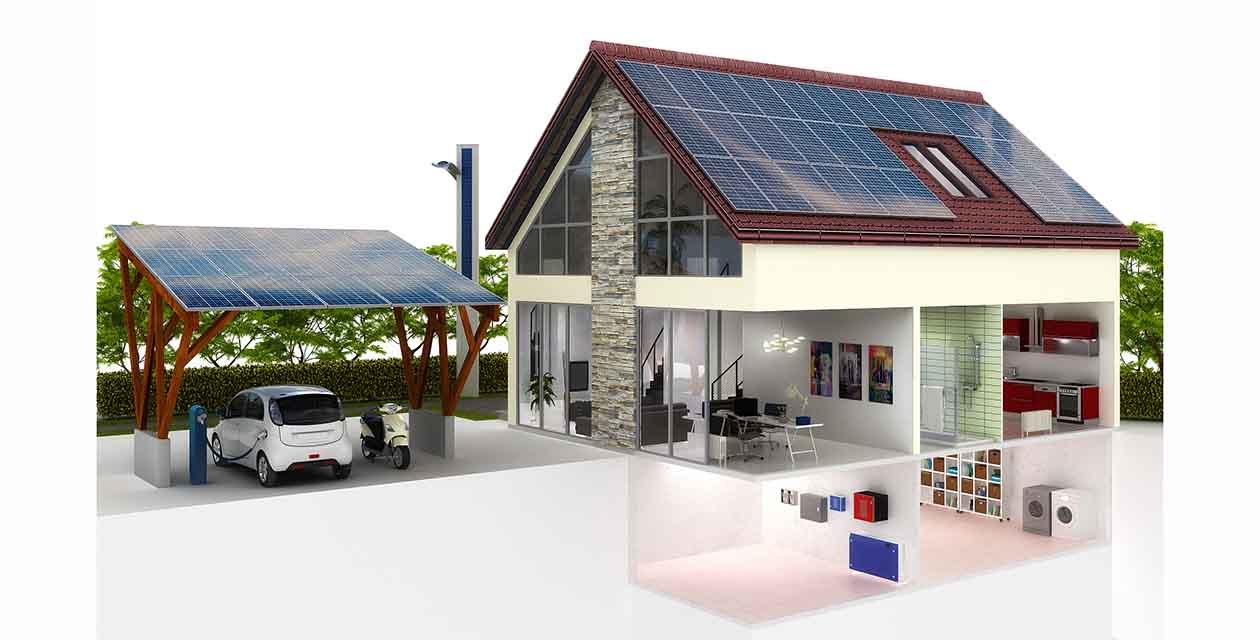
In today’s world, as energy prices rise and power outages become more frequent, more and more people are turning to energy storage systems to meet their electricity needs. But if you’re new to energy storage, you might be wondering how it works, and whether it’s right for you. Let’s break down the basics of energy storage and explore how it can help save money and improve power reliability, all while keeping things simple.
What is Energy Storage?
Energy storage refers to the process of storing electricity for later use. This is done using devices like batteries that can store energy when it’s abundant (for example, when solar or wind power is available) and release it when demand is high or when the primary power supply isn’t available, like during a power outage.
The most common type of energy storage system used in homes today is the battery-based storage system. These systems are typically paired with solar panels or connected to the grid, storing excess energy generated during the day and allowing users to access that energy at night or during periods of high electricity demand.
How Does Energy Storage Work?
At its core, energy storage involves two main steps: charging and discharging.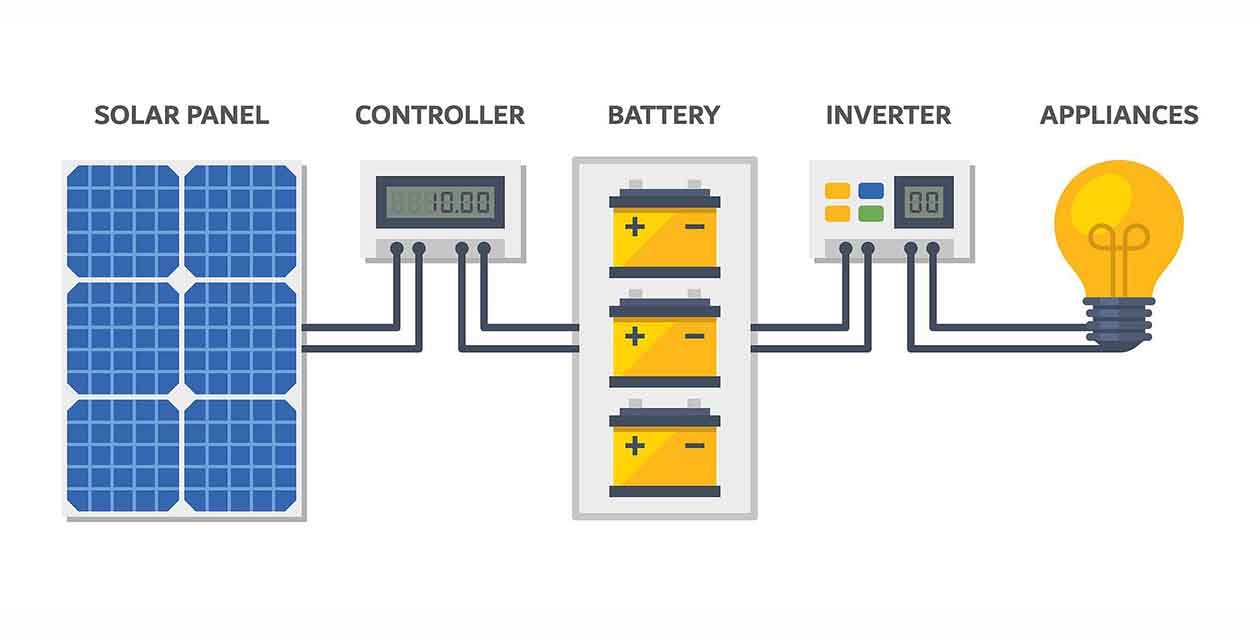
1.Charging: During the day, when there is sunlight (or at times when energy costs are lower), the energy storage system is charged using electricity from a solar panel or from the grid. This energy is stored in batteries, usually made from lithium-ion, which is the same technology found in devices like smartphones and laptops. The more advanced the storage system, the more energy it can store.
2.Discharging: When energy demand is high or when you need electricity and solar power isn’t available (such as at night), the energy stored in the battery is released or “discharged.” The stored power is converted into usable electricity and distributed throughout your home to power your devices, lights, and appliances.
Why Should You Use Energy Storage?
1.Save Money on Electricity Bills
One of the most common reasons homeowners adopt energy storage is to save money. Energy storage allows you to store electricity during times when it’s cheaper, like midday or during low-demand periods, and then use that stored energy during high-demand periods when electricity prices are higher. In some places, you can even sell back excess stored energy to the grid, providing an additional income stream.
2.Protect Against Power Outages
Power outages are an increasingly common problem in many parts of the world, whether due to severe weather, grid failures, or other issues. With an energy storage system in place, you can keep your home powered even when the grid goes down. Depending on the size of your storage system, you can run everything from lights and refrigerators to heating systems and medical equipment.
3.Use Clean, Renewable Energy
If you have solar panels, energy storage enables you to maximize your use of clean, renewable energy. Rather than letting extra solar energy go to waste, you can store it and use it later. This reduces your reliance on the grid and helps decrease your carbon footprint. It’s an environmentally-friendly way to power your home, ensuring that you are part of the green energy movement.
Types of Energy Storage Systems
Energy storage comes in various forms, but the most popular types used in residential applications are lithium-ion batteries and lead-acid batteries. Let’s take a quick look at both:
- Lithium-ion Batteries: These are the most commonly used batteries in residential storage systems due to their higher energy density, longer lifespan, and lighter weight. They are more efficient and can store more energy in less space, which makes them ideal for home use.
- Lead-acid Batteries: While these are less expensive, they tend to be bulkier and have a shorter lifespan. They are more commonly used in off-grid scenarios or for backup power, but they are less efficient than lithium-ion batteries.
Common Questions About Energy Storage Systems
As you might imagine, when people first look into energy storage, they have a lot of questions. Here are some of the most frequently asked questions:
1.How long do energy storage systems last?
Energy storage systems, especially lithium-ion batteries, typically last between 10 to 15 years, depending on the brand and quality of the system. Maintenance is generally low, but you may need to replace the batteries after that period.
2.Will energy storage work with my solar panels?
Yes! In fact, pairing energy storage with solar panels is one of the best ways to optimize your energy use. Your solar panels generate electricity during the day, and any excess energy can be stored in the batteries for use at night or during cloudy days.
3.How much energy storage do I need?
The amount of storage you need depends on your energy consumption patterns. For example, if you use a lot of power in the evening, you’ll need a larger storage capacity. The best way to determine your energy needs is to consult with a professional who can analyze your home’s energy consumption and suggest a system size that works for you.
4.How does energy storage impact my electricity bills?
By storing energy and using it during high-demand periods, you can reduce your reliance on the grid and lower your electricity bills. In many regions, the cost of electricity is higher during peak hours, so having a storage system allows you to avoid these peak rates.
Why Choose moPower’s Energy Storage Solutions?
At moPower, we understand that investing in energy storage can be a big decision. That’s why we’ve designed our energy storage solutions with homeowners in mind. Our advanced battery technology ensures long-lasting and high-efficiency performance, allowing you to save on energy costs and protect your home from power outages.
Some of the key advantages of moPower’s energy storage solutions include:
- High Energy Efficiency: Our systems use cutting-edge lithium-ion battery technology to ensure that more energy is stored and used, with less waste.
- Long Lifespan: With a robust design and intelligent management system, our batteries last longer, offering you peace of mind for years to come.
- Smart Features: moPower’s energy storage systems come with integrated smart features that allow for real-time monitoring and efficient energy management.
- Seamless Integration: Whether you’re integrating with solar panels or relying solely on grid power, moPower’s solutions work effortlessly with your existing energy setup.
- Reliable Backup Power: You can trust our systems to provide reliable backup power during outages, ensuring that your home stays comfortable and safe.
Conclusion
Energy storage is not just a trend, but a smart investment for anyone looking to reduce electricity costs, ensure power reliability, and promote sustainable living. Whether you’re looking to power your home more efficiently, protect against power outages, or go green with renewable energy, energy storage can provide the solution you need. And with moPower’s expertise in the field, you can be confident that you’re choosing a trusted partner to help you unlock the full potential of energy storage.
If you’re ready to explore how energy storage can work for you, visit our website at https://mopower360.com/ to learn more!