Why do European households need home energy storage? Understanding the triple pressures of high electricity prices, negative electricity tariffs, and power outages.
In a nutshell: Residential energy storage helps households mitigate the uncertainty of external energy supplies – this translates into three key tasks: storing cheap electricity for off-peak usage, providing backup power for critical loads during outages, and maintaining a robust backend management system. We'll illustrate this with real-world operational pressures faced by European households during the summer of 2026.
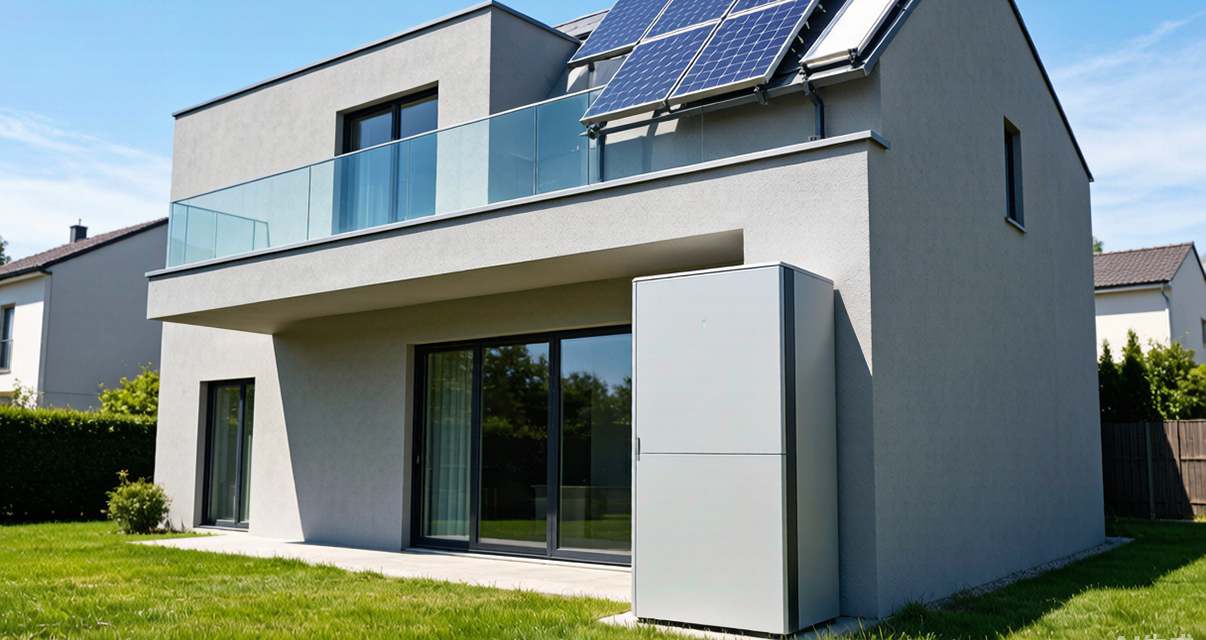
Figure: Residential PV systems integrated with energy storage have become the standard solution for European households to cope with high temperatures and fluctuating electricity prices.
I. Three real-life stressors currently occurring
High temperatures and droughts. In the summer of 2026, French nuclear power plants reduced their output due to rising river temperatures; at the Chernașorod Nuclear Power Plant in Romania, both reactors were shut down entirely owing to historically low Danube river water levels and inadequate cooling; the WMO predicts that global temperatures between 2026 and 2030 will remain above average, making extreme heat events no longer an isolated phenomenon.
Negative electricity prices: The surge in photovoltaic generation has led to an excess daytime supply – in the first half of 2026, Spain’s hourly wholesale electricity price reached-17%, meaning the market is willing to pay for your electricity usage.
The price spread has widened. The IEA reported that during Europe’s summer heatwave in June, the peak price difference between midday and evening hours reached up to US$600 per MWh.
Definition | Negative electricity price: When wind and solar power generation is high while electricity demand is low—resulting in an oversupply of electricity—the wholesale market price turns negative, meaning the power generator actually pays the user to absorb the excess electricity. This is a signal that
"there is too much electricity," not a benefit of "free electricity."
II. Residential energy storage solutions address these three issues.
- Price differential buffering: Store low-cost or surplus electricity upfront and consume it during peak hours, thereby converting the peak–off-peak price difference into saved electricity costs.
- Power outage fallback: Automatic grid switching in the event of a power outage, ensuring that critical loads such as refrigerators, lighting, and routers remain powered.
- Simple and hassle-free: Weather conditions, solar power generation, electricity prices, and load are automatically managed by the system – users don’t need to analyze electricity price curves
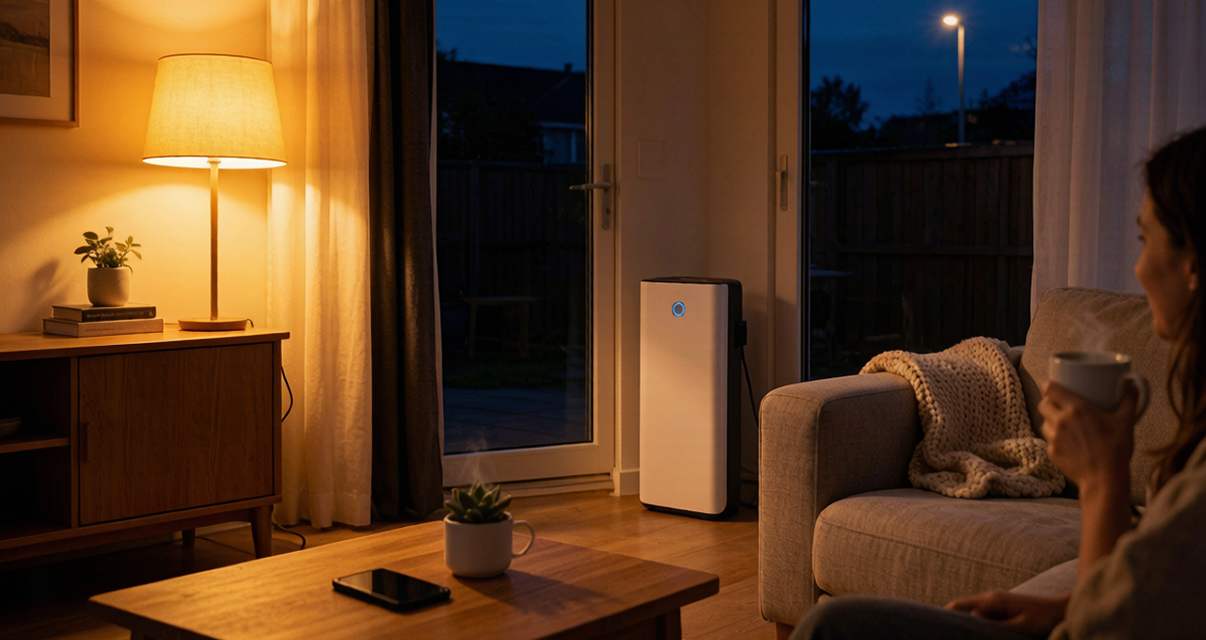
Figure: Automatic switching of household energy storage systems during power outages, ensuring daily life is not easily disrupted
III. How should moPower approach this issue?
When equipment is installed at home, safety is the fundamental prerequisite for everything else. An ideal residential energy storage system should feature: a vehicle-grade BMS integrated with a closed-loop thermal management system, plug-and-play expandability, and AI-powered peak-shaving scheduling with a backend support system. Leveraging 15 years of battery expertise and rigorous ISO-certified manufacturing processes, moPower engineers highly reliable residential battery cells and systems – with a single, clear goal: to give households peace of mind while leaving all the complexity to the system.
frequently asked questionsFAQ
Q: What is negative electricity pricing? How does it affect European households?
A: When wind and solar power generation is high while electricity demand is low, the wholesale electricity price becomes negative – meaning the generator pays to use the electricity. In the first half of 2026,17% of the hours in Spain saw negative electricity prices. Facilities with energy storage can charge during these negative-price periods and save on electricity costs during peak demand; without such storage, operators must passively absorb these price fluctuations.
Q: What is the primary purpose of residential energy storage systems in European households?
A: The core principles are “stability” and “cost efficiency”: reducing electricity costs + ensuring uninterrupted power supply (as a fallback measure). Amid persistently high temperatures, backup power has evolved from being merely an “add-on benefit” to serving as a “basic guarantee.”
Q: What are the key safety considerations for residential energy storage systems?
A: When integrating equipment into your facility, safety is paramount. Pay special attention to whether the automotive-grade BMS, thermal management systems, automatic fire suppression systems, and insulation all operate within a closed-loop system; choosing manufacturers with ISO certification and a proven track record provides greater reliability.
Would you like to learn more about MoPower's residential energy storage solutions? Contact us to get personalized home energy storage configuration advice → https://mopower360.com/contact