
How is AI reshaping the global power system? Data centers, energy storage, and flexible power sources are ushering in a new energy landscape
Key Summary: With the surge in electricity demand from AI data centers, global power systems are transitioning toward a “source-grid-load-storage synergy” model. This article examines how AI is driving advancements in energy storage, microgrids, and flexible power sources, as well as emerging trends in future energy systems.
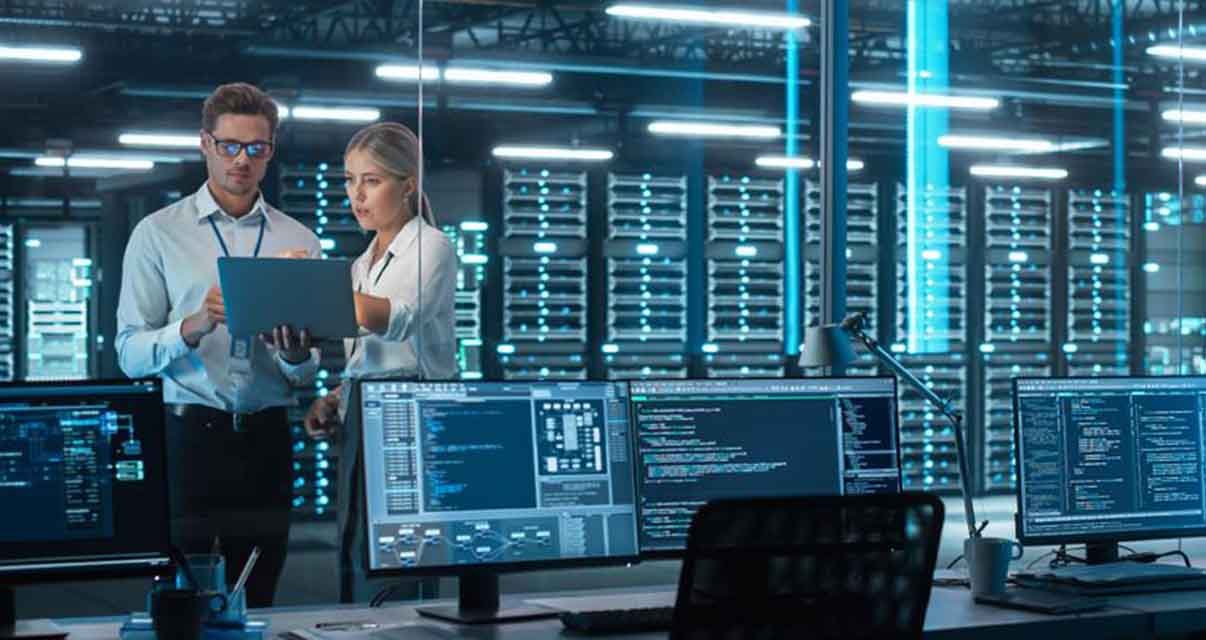
With the rapid advancement of artificial intelligence (AI) technology, the global power industry is undergoing an unprecedented transformation. From ChatGPT and large-scale model training to autonomous driving and cloud computing services, the massive demand for computational power is driving a continuous rise in data center electricity consumption. Particularly in Texas, USA, a novel power supply model—combining AI loads, energy storage, and flexible power sources—is rapidly taking shape, serving as a crucial reference for the future global energy system.
AI data centers are emerging as the new “super electricity consumers”
Compared to traditional internet data centers, AI data centers require the deployment of numerous GPU servers, resulting in exponential growth in power consumption.
Industry research indicates that U.S. data center electricity demand will continue to grow rapidly over the next decade, with AI emerging as a key driver of grid load growth. Numerous new data center projects are applying for grid connection, and some regions are even facing insufficient power supply capacity.
The surge in data center projects within Texas’s ERCOT electricity market has prompted grid operators to implement stricter grid integration regulations to ensure stable system operation.
The power grid model is shifting from “centralized power supply” to “coordinated operation of generation, transmission, consumption, and storage”
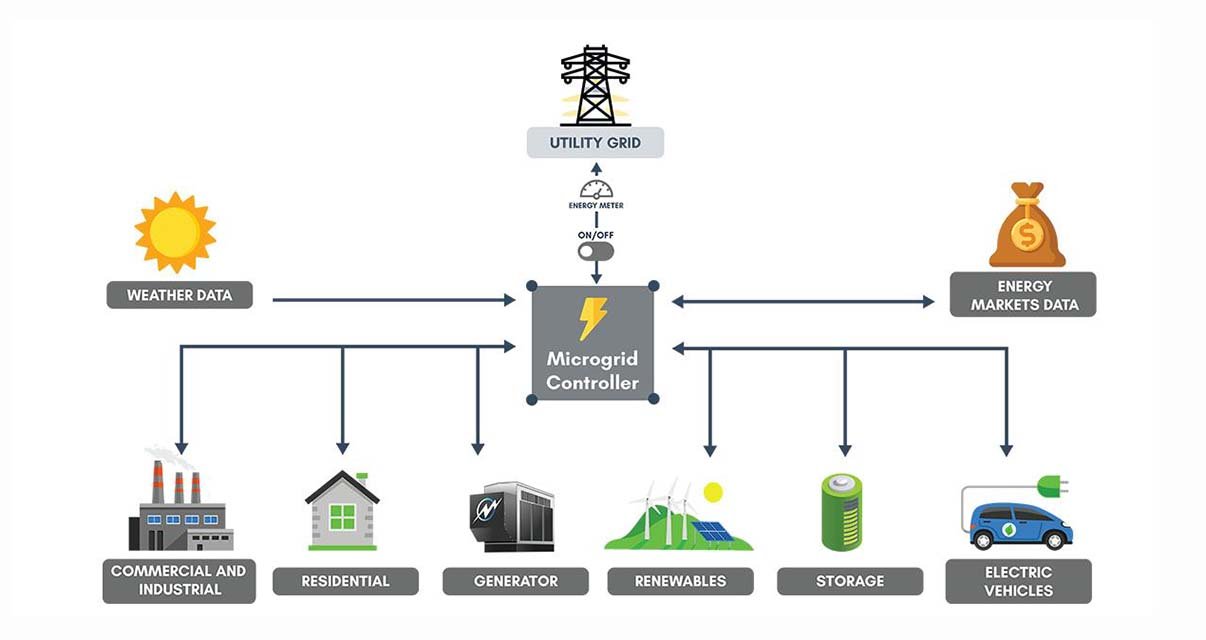
Under the traditional model, data centers primarily rely on the public power grid for electricity supply.
However, faced with the significant surge in AI-related demands, an increasing number of telecom operators are adopting the “integrated source-grid-load-storage” model.
- Renewable energy power generation (photovoltaic, wind power)
- Battery Energy Storage System (BESS)
- Natural Gas Flexible Power Source
- Microgrid System
- Intelligent Energy Management Platform
By utilizing energy storage systems to balance peak and off-peak loads, provide backup power, and participate in demand response, data centers can reduce electricity costs while ensuring reliable power supply.
Energy storage has become a vital component of AI infrastructure.
In the development of next-generation AI data centers, energy storage has evolved beyond being merely a backup power source to become a core energy asset.
Recently, several energy companies have begun integrating large-scale energy storage systems with AI data centers in a deep manner. For instance, in Texas, an AI data center project exceeding 1 GW is evaluating the deployment of long-duration energy storage solutions to enhance power supply flexibility, reduce grid dependency, and meet round-the-clock operational demands.
Meanwhile, leading global companies are actively advancing the integration of energy storage with AI. Application scenarios—including demand response in data centers, battery storage participation in frequency regulation, and peak shaving and valley filling—are being rapidly implemented.
For AI data centers, energy storage systems primarily provide:
- Enhance the reliability of power supply
- Alleviate the pressure on grid connectivity
- Reduce the cost of peak electricity rates.
- Provide a backup power supply for reliability.
- Support the integration of renewable energy sources into the power grid.
- Achieve the goal of low-carbon operations
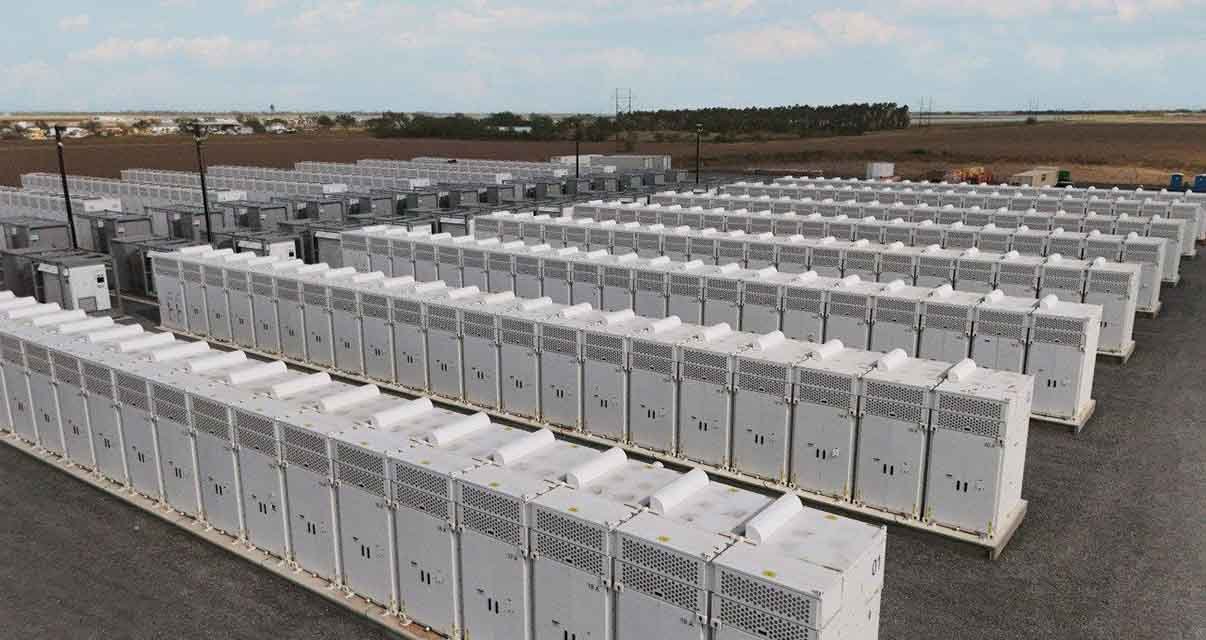
AI is driving the global energy storage market into a new growth phase.
With the expansion of the AI industry, energy has become one of the most critical fundamental resources following chips.
An increasing number of technology companies are directly investing in energy storage, power grids, and energy infrastructure development. The industry widely agrees that data centers will evolve from mere electricity consumers into “flexible energy nodes” capable of participating in grid regulation.
This trend will continue to drive:
- Growth in industrial and commercial energy storage systems
- Construction of energy storage facilities on the power grid side
- Development of Long-Term Energy Storage Technologies
- The expansion of the microgrid market
- Smart Energy Management System Upgrade
The energy storage industry is evolving from a supporting component for new energy systems into a critical infrastructure of the digital economy era.
MoPower Perspective: Energy storage is the key pillar supporting energy transition in the AI era.
The advancement of AI has not only transformed computing methods but is also reshaping the global power system.
Future data centers will no longer rely solely on traditional power grids, but will establish a safer, more efficient, and low-carbon energy ecosystem through photovoltaics, energy storage, flexible power sources, and intelligent control systems.
As a leading provider of professional energy storage solutions, moPower remains committed to advancing the integration of AI, renewable energy, and energy storage technologies. The company specializes in delivering secure and reliable energy storage products and system solutions for residential, commercial, industrial, and large-scale energy projects, driving global energy digitization and low-carbon transformation.