
The number of European renewable energy storage projects is set to increase by 450% by 2030
Europe’s energy transition is entering an era driven by energy storage.
According to the latest report by British energy research firm Aurora Energy Research, Europe’s installed capacity of renewable energy projects equipped with battery energy storage systems (BESS) is projected to grow by over 450% by 2030, rising from approximately 6.3 GW in 2025 to around 35 GW. Germany, the UK, and Bulgaria stand out as the most attractive markets for investment.
Why is Europe accelerating its adoption of the “photovoltaic + energy storage” model?
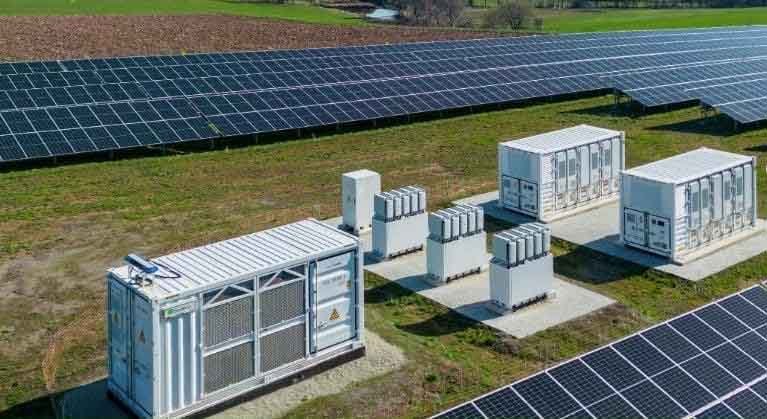
With the continued growth of wind and solar power installations in Europe, power systems are facing increasingly severe volatility challenges. Particularly during peak renewable energy generation periods, certain regions frequently experience low or even negative electricity prices, leading to reduced revenues for new energy projects.
Against this backdrop, the value of energy storage systems has become increasingly prominent.
By deploying battery energy storage systems, renewable power plants can store surplus electricity during off-peak hours and release it during peak demand periods, achieving multiple objectives such as load leveling, revenue enhancement, and grid stability improvement. According to the Aurora report, over 60% of Europe’s current energy storage projects rely on photovoltaic power plants, a trend that is expected to intensify in the coming years.
Germany leads the European energy storage market.
Among numerous European countries, Germany has been ranked as the most attractive investment market for “new energy + energy storage” projects.
This is mainly due to:
- A well-developed electricity spot market mechanism;
- High electricity price volatility;
- A mature ancillary services market;
- Growing demand for renewable energy capacity.
Meanwhile, countries such as the UK, Spain, and Italy are accelerating the construction of large-scale energy storage projects to address challenges in renewable energy integration and grid flexibility. The European energy storage industry widely recognizes that battery storage has evolved from an optional feature to a standard component in renewable energy projects.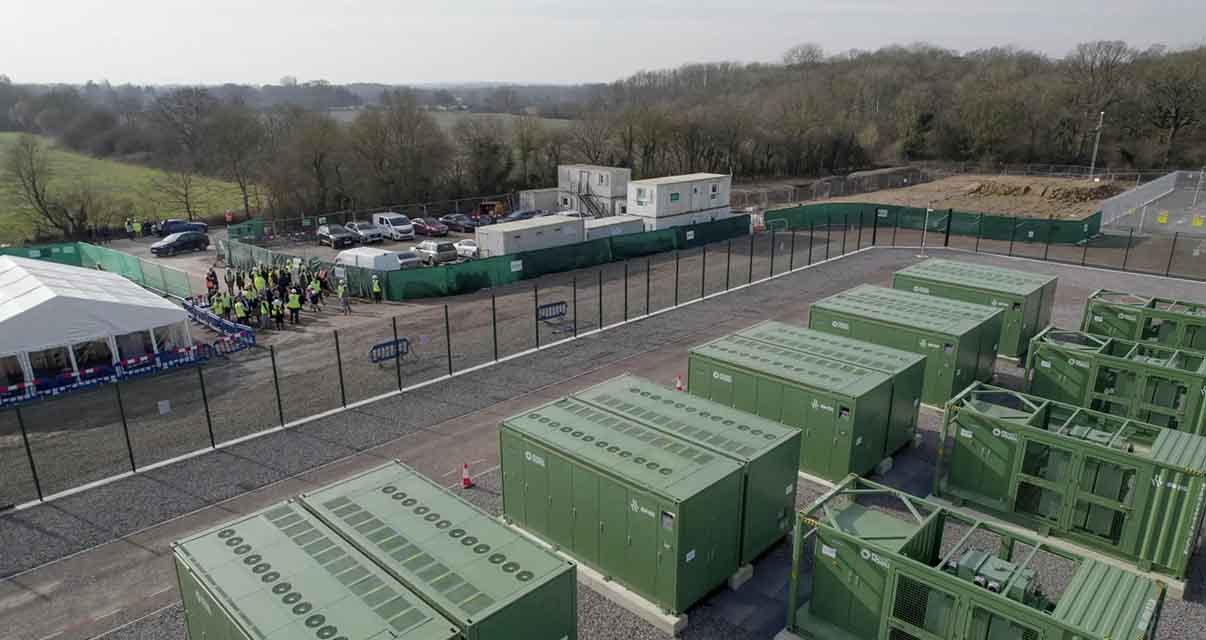
Energy storage has become a key pillar supporting Europe’s energy transition.
In recent years, Europe’s energy security has remained a major concern. Meanwhile, the European Union has set a target for renewable energy to account for over 42.5% of total energy consumption by 2030.
With the increasing share of wind power and solar photovoltaic energy, the demand for flexible regulation resources in power grids has risen rapidly. Energy storage systems, leveraging advantages such as rapid response capabilities, short deployment cycles, and diversified revenue models, are becoming critical infrastructure for ensuring stable grid operation.
Industry analysts predict that to achieve the 2030 energy transition goals, Europe will need to significantly expand battery storage deployment capacity in the coming years, indicating vast market potential.
China’s energy storage companies are embracing new opportunities in the European market.
The rapid growth of Europe’s “new energy + energy storage” projects has created new development opportunities for the global energy storage industry chain.
Leveraging their technological advantages in lithium batteries, battery management systems (BMS), energy storage inverters, and system integration, China’s energy storage companies are accelerating their entry into the European market, providing efficient and safe energy storage solutions for local utilities, grid operators, industrial and commercial users, as well as residential users.
As a leading provider of professional energy storage solutions, moPower Energy specializes in residential, commercial, and industrial energy storage systems as well as large-scale storage solutions, dedicated to delivering highly reliable, safe, and cost-effective energy storage products to customers worldwide, driving the global green energy transition.