The EU’s 2030 energy storage target of 200 GW is being accelerated
Amid the accelerated transformation of the global energy mix, the European Union has recently launched the “AccelerateEU” energy policy toolkit, setting a strategic goal to expand energy storage system deployment to approximately 200 GW by 2030. This initiative marks the entry of the European energy storage market into a phase of rapid, large-scale development.
I. Energy Security Pressures Drive Upgrades in Energy Storage Strategies
Driven by geopolitical conflicts, European energy prices have remained volatile, resulting in additional fossil fuel import costs of up to €24 billion in the short term alone. The EU’s dependence on energy imports still exceeds 50%, once again highlighting its energy security concerns.
Against this backdrop, the “AccelerateEU” initiative emphasizes reducing reliance on external energy sources by accelerating domestic clean energy development, advancing electrification efforts, and enhancing grid flexibility, with energy storage systems elevated to critical infrastructure status.
II. The 2030 target of 200 GW unlocks substantial market potential for energy storage
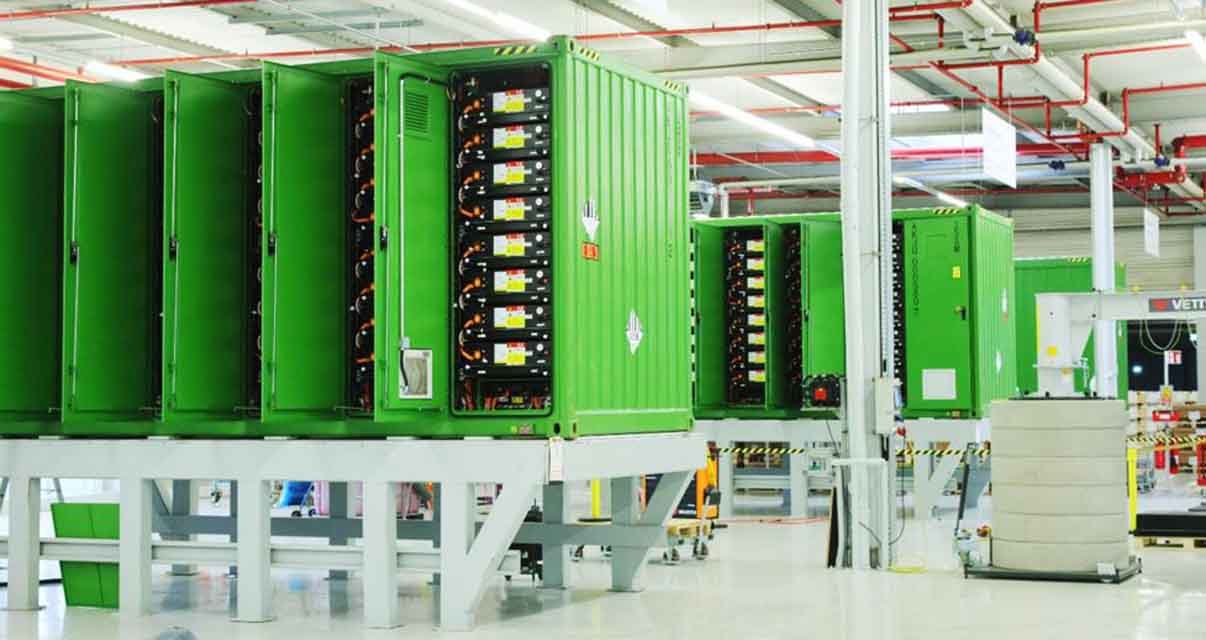
According to the EU plan, the total capacity of energy storage systems must reach approximately 200 GW by 2030, with **lithium-ion battery energy storage systems (BESS)** serving as the primary growth driver. Meanwhile, pumped-storage hydropower, together with other flexible energy resources, will form the energy regulation framework.
This goal means:
- Battery energy storage will become the core regulation resource in power systems.
- Energy storage demand is growing simultaneously on both the grid side and user side.
- Energy storage investment is set to enter a period of rapid expansion.
- The capacity to integrate new energy sources has significantly improved.
For global energy storage companies, this will present unprecedented market opportunities.
III. Energy Storage Becomes a “Strategic Asset” in the European Energy System
The EU Clean Energy Industry Organization noted that energy storage is no longer merely a supplement to renewable energy, but rather a core asset for energy security and electricity market stability.
The European Energy Storage Association (EASE) emphasizes that energy storage technologies play an irreplaceable role in reducing electricity price fluctuations, enhancing grid resilience, and facilitating the integration of renewable energy into the grid, while calling for:
- Streamline the approval process for energy storage projects
- Improve the grid connection mechanism
- Promote the marketization of independent energy storage assets
- Strengthening capital and policy support
IV. Long-duration Energy Storage Becomes the Key Competitive Focus in the Next Phase
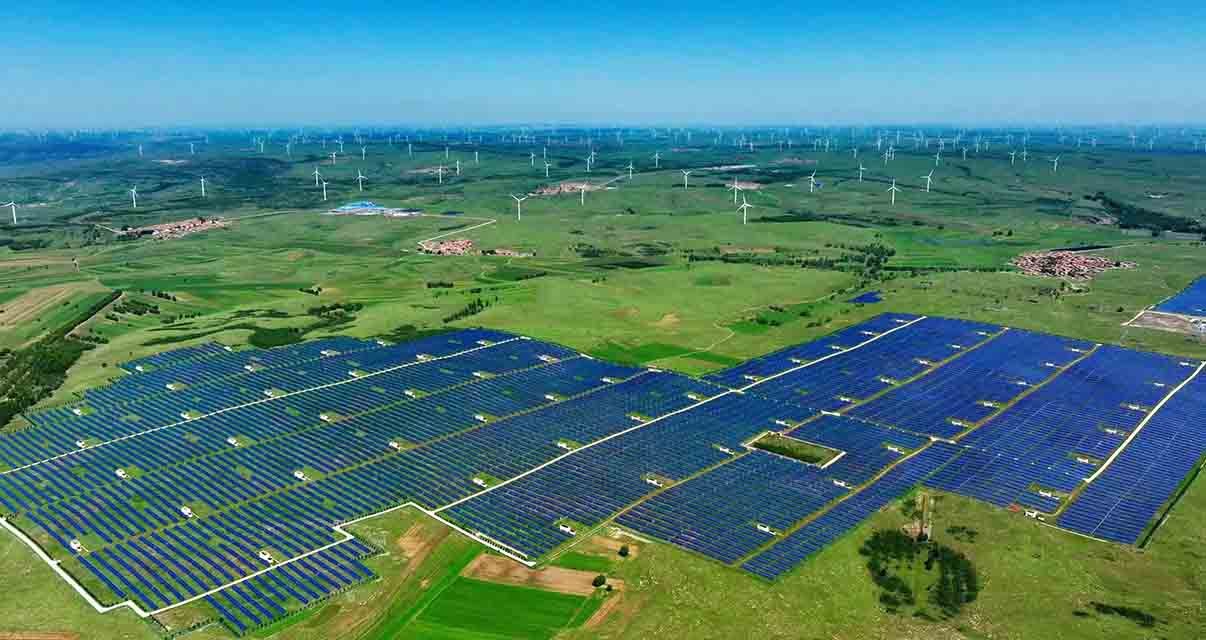
Although current policy priorities focus on short-duration battery energy storage and pumped-storage hydropower, the industry widely believes that future power systems will rely more heavily on long-duration energy storage (LDES) and seasonal energy storage technologies.
Several European industry organizations have issued warnings:
- Neglecting long-term energy storage will compromise the long-term stability of the power system.
- Single lithium battery energy storage cannot meet multi-day regulation requirements.
- Technologies such as flow batteries will serve as a crucial complementary approach.
This signifies that the future energy storage market will shift from ‘scale expansion’ to ‘competitive diversification driven by technological innovation’.
V. Implications for Global Energy Storage Companies
“AccelerateEU” sends clear signals about emerging trends:
- The European energy storage market has entered a phase driven by both policy and capital factors.
- Battery energy storage systems will continue to grow at a rapid pace.
- Long-duration energy storage technology is entering a golden period.
- Localization and supply chain capabilities have become key to competitiveness.
For global energy storage companies, those with system integration capabilities, cost control expertise, and diversified technological portfolios will hold a greater competitive advantage in the European market going forward.
Epilogue
The EU’s 200 GW energy storage target is not merely an energy strategy but also a key indicator of the global energy transition. As battery storage and long-duration energy storage technologies accelerate their integration, the global energy storage industry is poised to enter a new growth cycle.
As a company specializing in energy storage system solutions, http://mopower360.com will continue to monitor global energy policy developments and promote the widespread adoption of efficient, safe, and intelligent energy storage systems worldwide.