
Virtual Power Plants Accelerate Implementation: Distributed Energy Storage Is Reshaping the European Energy Market
As Europe’s energy transition deepens, distributed energy storage and virtual power plants (VPPs) are emerging as pivotal development directions in the global energy storage sector. Recently, German energy company RWE partnered with Swedish energy storage system provider Polarium to integrate thousands of distributed battery storage systems into Germany’s flexible electricity market—a testament to how “energy storage coupled with aggregated dispatch” is becoming a critical component of future power grids.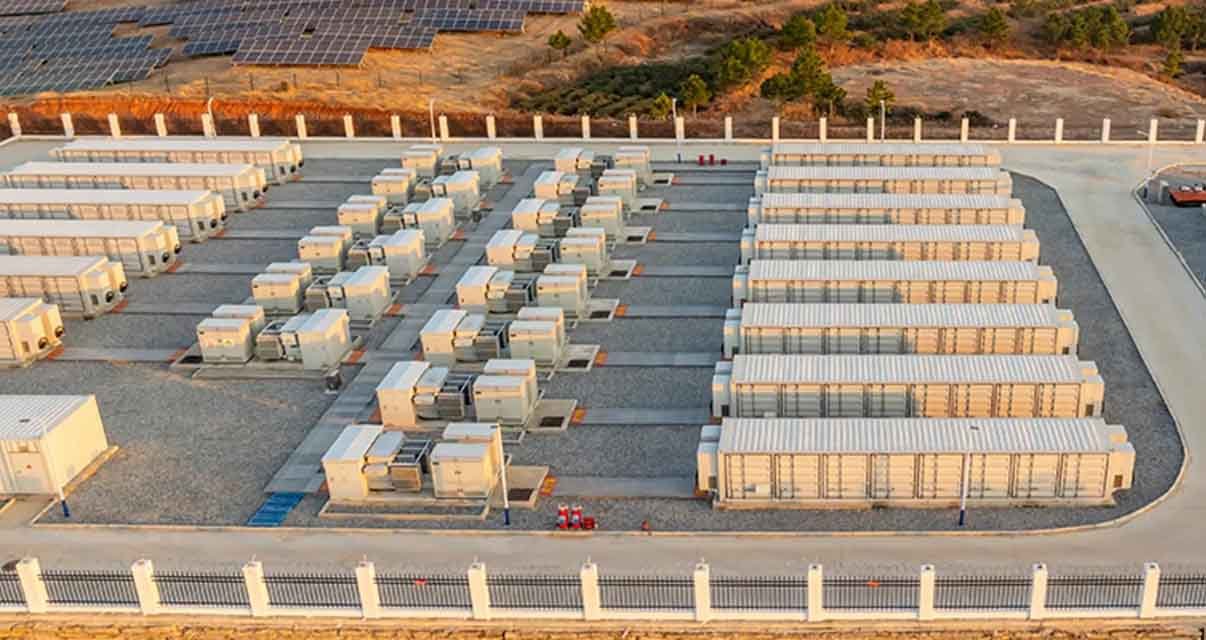
Distributed Energy Storage Enters the Era of “Aggregated Operations”
According to publicly available information, the two parties will initially pool approximately 50 MW/135 MWh of distributed energy storage resources, with plans to expand the capacity to 300 MW/810 MWh in the future. The project will connect over 10,000 energy storage systems via a cloud platform, enabling centralized dispatch and market-based operations.
This signifies that industrial and commercial energy storage systems, originally designed solely as backup power sources, are evolving into new energy assets capable of participating in grid frequency regulation, peak shaving and valley filling, electricity trading, and ancillary services.
For the global energy storage industry, this reveals three key trends:
- Distributed energy storage is evolving from “individual devices” to “energy networks”.
- Virtual Power Plants (VPPs) have emerged as a pivotal model for the commercialization of energy storage.
- The value of industrial and commercial energy storage is evolving beyond mere “electricity cost savings” to encompass “revenue generation from the electricity market.”
Why is Europe rapidly developing virtual power plants on a large scale?
As one of Europe’s most advanced markets for distributed energy storage, Germany boasts a well-established electricity trading mechanism and a flexible market system. With the continuous rise in renewable energy penetration, traditional power grids face increasing volatility, while energy storage systems can respond rapidly to achieve real-time power balance.
After being aggregated through the VPP platform, numerous decentralized energy storage systems can participate in grid dispatching just like large-scale power plants.
- Enhance the stability of the power grid
- Enhance the capacity to integrate new energy sources
- generating additional revenue from electricity trading
- Reduce corporate energy costs
This model is also being rapidly replicated worldwide, including in markets across Europe, North America, the Middle East, and Southeast Asia.
New Opportunities for Energy Storage Enterprises: From Equipment Supply to Energy Services
For energy storage companies, future competition will no longer be confined solely to battery cells, PCS systems, or energy storage cabinets themselves, but will gradually shift toward:
- EMS Energy Management System
- AI Intelligent Scheduling
- Cloud Platform Aggregation Capability
- Virtual Power Plant Operational Capabilities
- Electricity market trading capabilities
This means that companies equipped with the capability of “energy storage systems + digital energy platforms” will gain a significant advantage in the next round of industry upgrading.
As a leading provider of professional energy storage solutions, http://mopower360.com continuously monitors global trends in energy storage and virtual power plant technologies, dedicated to delivering more efficient, intelligent, and secure energy storage system solutions for industrial and commercial applications, microgrids, and renewable energy scenarios.
Future Outlook: Energy Storage Will Become a Core Component of the New Power System
As the global energy mix continues to shift toward low-carbon and digitalization, energy storage systems have evolved beyond being mere “standby power sources” to become critical regulatory resources for power grids.
In the future, the “energy storage + VPP + AI energy management” model is poised to become a critical infrastructure in the global energy market, with distributed energy storage evolving from “edge devices” into “smart energy nodes.”