
Europe’s First Microgrid-Powered Data Center Established in Ireland: A Blessing or Curse for Residents?
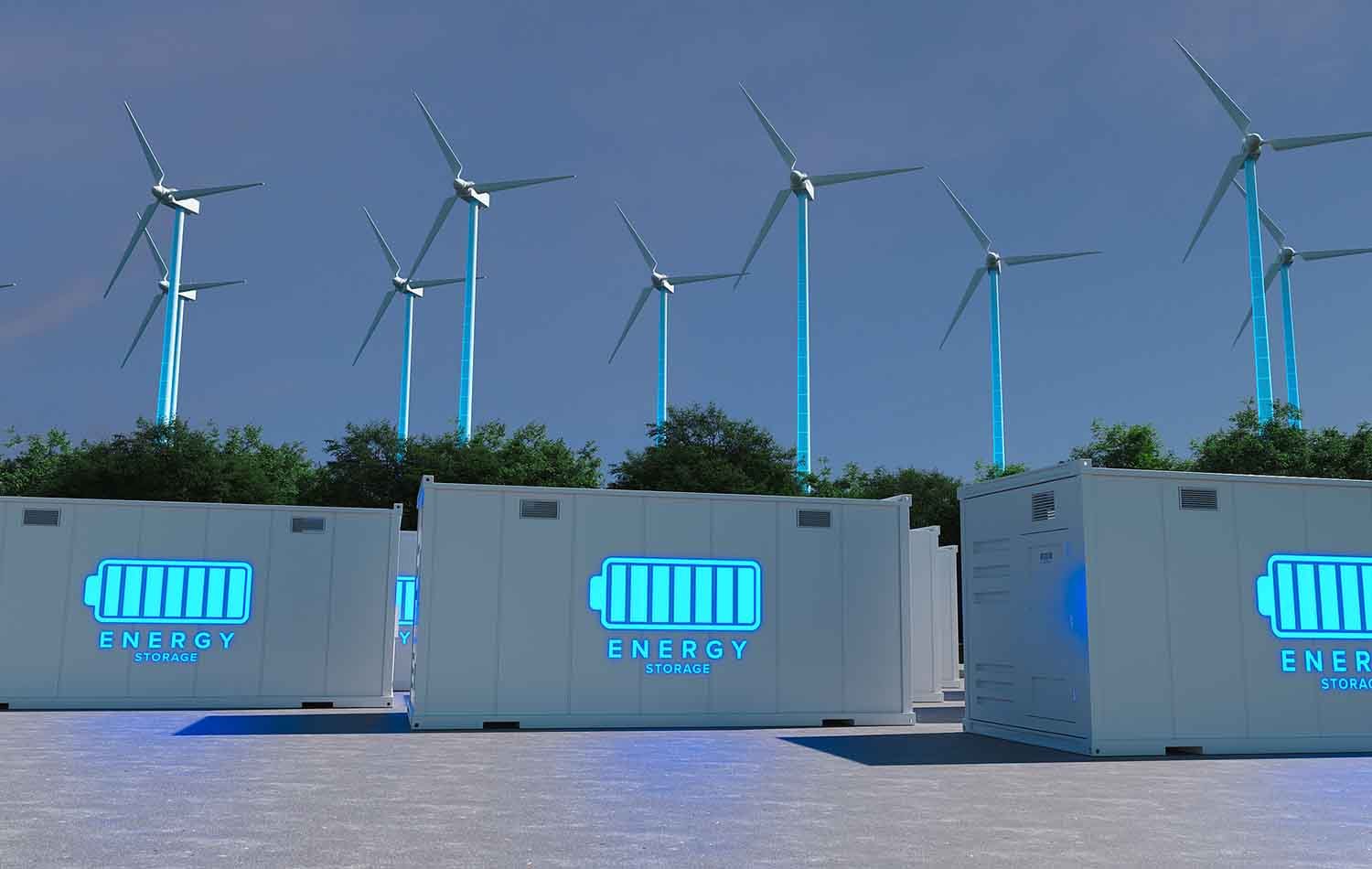
Amid surging demand for AI computing power and increasingly congested grid infrastructure, Europe’s first data center powered by an independent microgrid has recently commenced operations in Dublin’s suburbs. Developed through a collaboration between AVK and Pure Data Centres Group, the project boasts a total investment of approximately €1 billion and a capacity of 110 megawatts, capable of supporting both cloud computing and AI workloads simultaneously. Currently powered primarily by natural gas, the facility also features the capability to switch to alternative fuels such as hydrogenated vegetable oil. But will this innovative model deliver tangible benefits to local residents? The answer remains far from straightforward.
I. Alleviating grid pressure: Residents may bid farewell to the era of ‘power rationing’
In recent years, data centers have become Ireland’s “electricity black hole.” Official statistics reveal that data centers consumed as much as 22% of the nation’s total electricity supply in 2024, with Dublin and County Meath alone accounting for approximately 50%. Confronted with such massive power demands, the national grid operator has issued repeated warnings that meeting electricity needs could prove “extremely challenging.” Traditional data centers connected to the public grid essentially compete with residential consumers for power, driving up overall grid loads. In contrast, microgrid-based data centers operate in isolated “island mode,” independent of the national grid. This approach effectively removes a significant power burden from the grid, potentially alleviating grid strain and enhancing electricity reliability for residential users.
In addition, the project is equipped with a battery energy storage system. If grid connection approval is obtained in the future, the data center will be able to provide dispatchable power and up to 20 megawatts of battery storage to the main grid, thereby performing a “reverse blood transfusion” function for the grid. This model helps mitigate grid fluctuations and supports residential power supply during peak demand periods.
II. Controversy over Electricity Fee Equality: Residents Still Paying for Data Centers
While microgrid-powered data centers do not utilize public grid resources, not all data centers adopt this model. A significant number of traditional data centers still rely on public grid electricity supply, with their massive power consumption driving up overall electricity costs. Currently, Irish households pay an average of 36.8 euro cents per kilowatt-hour for electricity generation and 7.6 euro cents per kilowatt-hour for grid fees, whereas large data centers only pay 19.1 euro cents per kilowatt-hour for generation costs and as low as 0.7 euro cents per kilowatt-hour for grid fees—making household grid payments over ten times higher than those for data centers. The Irish Trade Union Congress has also warned that such policies could jeopardize climate targets and further increase household electricity bills.
III. Future Outlook: Can Microgrids Become a Win-Win Solution?
In the long run, the widespread adoption of microgrids is poised to redefine energy dynamics between residential households and data centers. By transitioning more data centers to independent power supply systems, public grids could experience significant relief from operational burdens, while household electricity bills would see reduced price pressures. AVK CEO emphasized: “As data centers continue to expand in scale, this trend will only intensify grid strain, necessitating innovative solutions.” The European microgrid market is projected to grow at nearly 10% annually. With this model gaining traction, residents may ultimately reap tangible benefits from digital transformation rather than being forced to bear the brunt of energy costs.