The localization of the U.S. energy storage supply chain is accelerating rapidly: domestic manufacturing has become a new focal point of industry competition
As the U.S. energy storage market continues to grow rapidly, supply chain security has become a central issue for industry development. Recent industry analyses indicate that the U.S. energy storage sector must not only expand its installed capacity but also establish an independent, secure, and stable domestic supply chain system. From key minerals and battery cell manufacturing to system integration, localized capabilities are increasingly becoming a critical component of corporate competitiveness.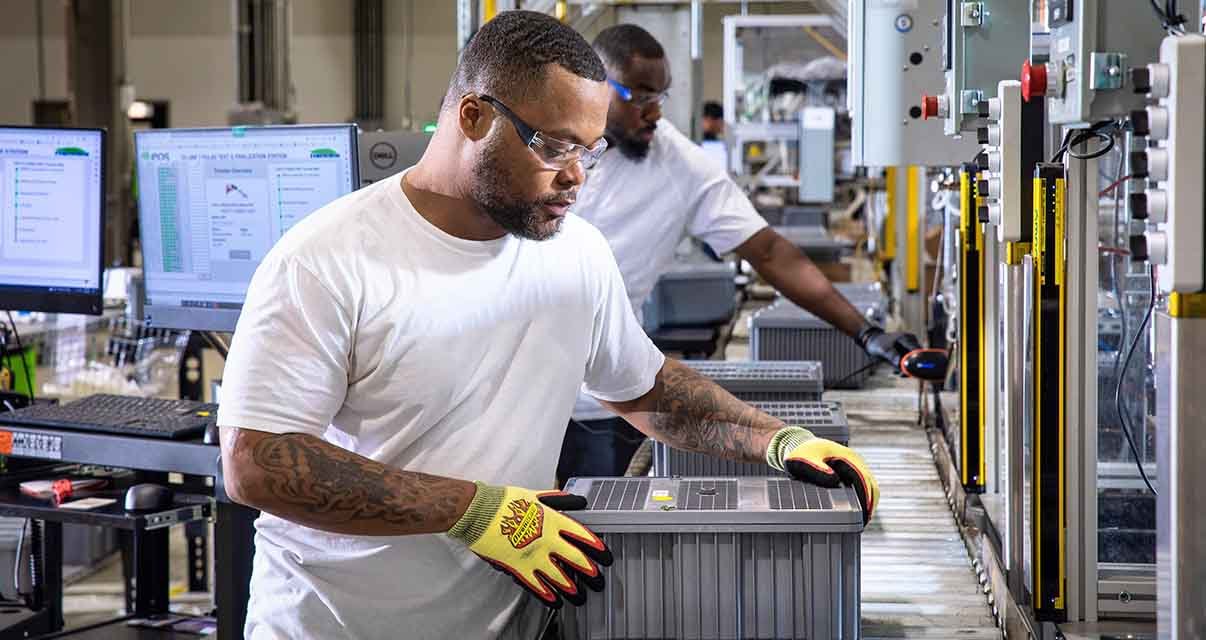
Why does the U.S. energy storage industry place such emphasis on supply chain autonomy?
In recent years, the number of large-scale energy storage projects in the United States has grown rapidly, driven by grid upgrades, renewable energy integration, and the swift development of AI data centers. However, the upstream segments of the industry chain remain heavily dependent on overseas supplies—particularly for lithium battery materials, cell manufacturing, and certain core components. Any changes in the international trade environment could significantly impact project delivery timelines and construction costs.
Therefore, the U.S. government and industry enterprises are actively promoting:
- Establish local battery manufacturing capabilities;
- Enhance the supply security of key minerals;
- Enhance the industrial chains of core equipment such as PCS, BMS, and EMS;
- Build a more stable supply network for energy storage systems.
Supply chain autonomy not only helps mitigate procurement risks but also enhances the security and resilience of the entire energy infrastructure.
Domestic manufacturing is not the only solution
Although the United States is accelerating its push for domestic manufacturing, a fully integrated industrial chain remains difficult to establish in the short term.
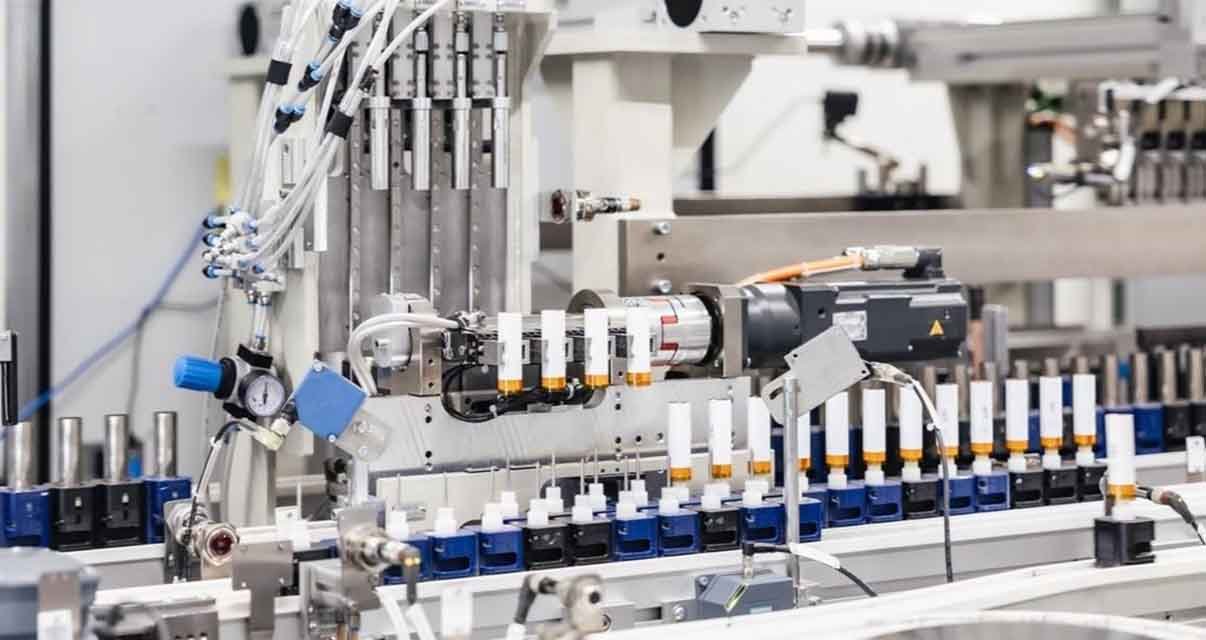
Currently, global lithium battery manufacturing capacity remains predominantly concentrated in Asia. Chinese companies possess mature expertise in cell manufacturing, PACK integration, BMS development, and large-scale production, while maintaining significant advantages in cost control, product consistency, and delivery efficiency.
In the future, the U.S. energy storage industry is likely to adopt a development model combining “domestic manufacturing with global supply chain synergy,” achieving a balance between supply security and cost competitiveness through international cooperation.
What does this mean for global energy storage companies?
For global energy storage companies, supply chain self-reliance represents both a challenge and a new market opportunity.
Enterprises need to continuously improve product quality, supply stability, and localized service capabilities, including:
- Provide energy storage products that meet international certification standards;
- Establish a rapid delivery and after-sales support system;
- Strengthen local warehousing, technical support, and project services;
- Strengthen cooperation with overseas EPC firms, power companies, and system integrators.
Only enterprises with stable supply capabilities and a global service network can maintain long-term competitive advantages in the future international market.
How does moPower support global energy storage projects?
As a leading provider of professional lithium battery and energy storage system solutions, moPower consistently delivers high-performance energy storage products to customers worldwide, including:
- Residential Energy Storage
- Commercial & Industrial Energy Storage Systems (ESS)
- Customized Battery Pack Solutions
- Hybrid Inverter
- OEM/ODM Customization Services
Leveraging a mature manufacturing system, rigorous quality management, and comprehensive international certifications, moPower delivers stable, efficient, and reliable energy storage solutions to global customers, empowering partners to address evolving challenges in the global supply chain.