Germany Energy Storage Policy 2026: Grid Fee Exemption Extended to 2029 Creates New Opportunities for BESS Projects
As Europe’s energy transition continues to accelerate, Germany has rolled out another significant policy incentive. Recently, the Federal Grid Authority of Germany officially clarified that battery energy storage systems (BESS) commissioned before August 4, 2029, remain eligible for grid fee exemptions, provided that final investment decisions (FIDs) are completed by 2027. The implementation of this policy has eliminated long-standing policy uncertainties in Germany’s energy storage market and created new opportunities for global energy storage companies.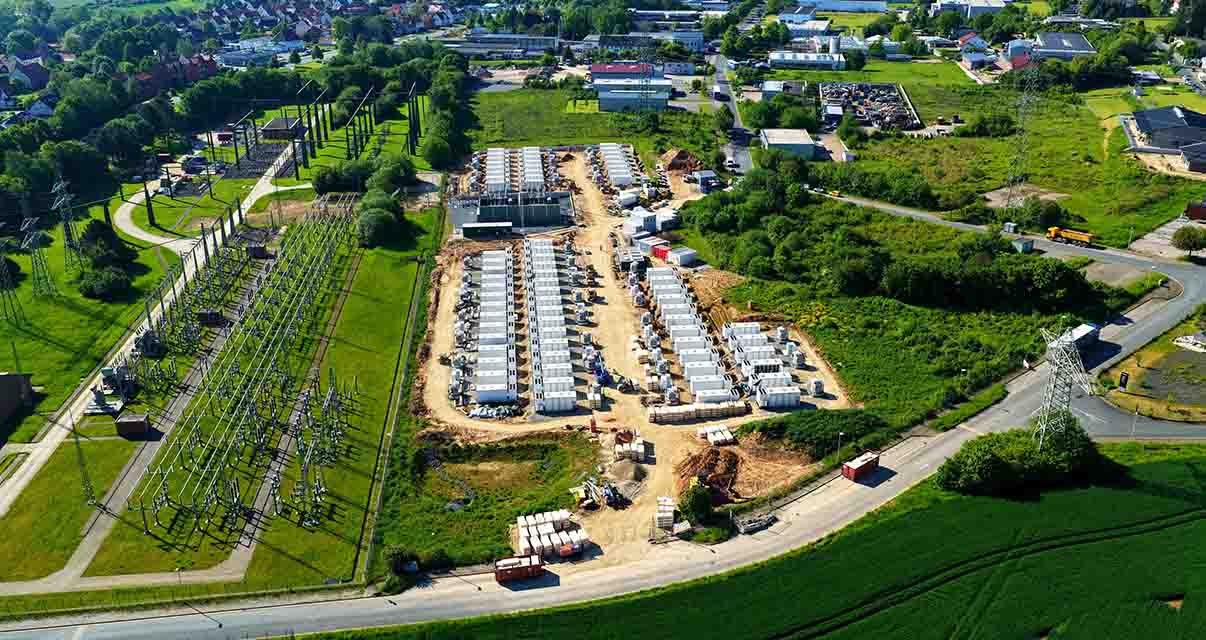
The German energy storage market is benefiting from increased policy certainty
Over the past few months, Germany’s energy storage sector has remained in a state of uncertainty due to ongoing discussions about grid fee reforms, prompting many investors to delay project development and financing decisions. Now that the new regulations have been formally established, energy storage project developers finally have clear investment expectations.
According to policy requirements:
- Energy storage projects connected to the grid and operational by August 4, 2029 are eligible for exemption from grid connection fees.
- The project must complete its Final Investment Decision (FID) by 2027.
- Germany plans to gradually introduce a new dynamic grid pricing mechanism between 2030 and 2033.
This initiative will significantly enhance the return on investment for large-scale energy storage projects and boost the German market’s appeal to international capital.
Why is this policy so important?
In Germany, large-scale energy storage systems typically require frequent charging and discharging cycles. Paying grid usage fees under the standard rate would significantly increase operational costs.
This exemption policy means:
- Reduce the operational costs throughout the entire project lifecycle.
- Increase the returns from energy storage arbitrage and auxiliary services.
- Accelerate the implementation of new energy storage distribution projects.
- Enhancing the flexibility of power grids and their capacity to integrate renewable energy sources
The industry widely believes that this policy is expected to stimulate energy storage investments worth billions of euros.
Germany’s demand for large-scale energy storage continues to grow
As one of Europe’s largest electricity markets, Germany is rapidly expanding its wind and solar power capacity.
As the share of renewable energy continues to rise, the demand for flexible regulation resources in power grids has increased dramatically. By 2030, the EU’s installed energy storage capacity is projected to reach 171 GW, more than quadrupling from current levels. Energy storage systems will become critical infrastructure for ensuring stable grid operation.
Meanwhile, Germany’s large-scale energy storage market is gradually shifting from residential applications to grid-side solutions, and is set to become one of Europe’s fastest-growing energy storage markets in the coming years.
What does this mean for energy storage companies?
Germany’s domestic energy storage industry chain still faces significant gaps, particularly in the following areas:
- Lithium battery cell
- Energy Storage Battery System
- PCS Energy Storage Converter
- EMS Energy Management System
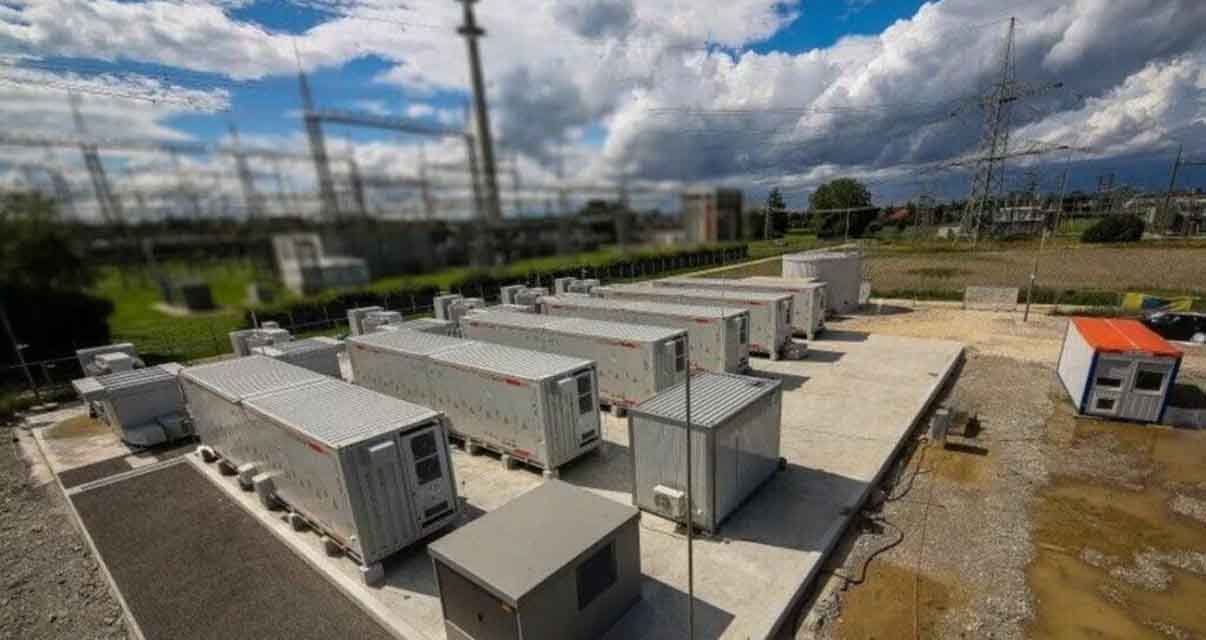
- Container-based Energy Storage Solutions
In these and other fields, there is a high dependence on international supply chains. With clearer policies in place, the development of energy storage projects in Germany is expected to accelerate significantly, and China’s energy storage manufacturing enterprises are poised to seize a new round of export growth opportunities.
moPower: Enabling efficient implementation of energy storage projects in Europe
As a leading provider of professional energy storage solutions, moPower Energy continues to deliver the following services to customers worldwide:
- Home Energy Storage Systems
- Industrial and Commercial Energy Storage Systems (C&I ESS)
- Container-based Energy Storage System (BESS)
- Lithium Battery PACK Solution
- Energy Storage Inverter and EMS System
For the European market, moPower products comply with international certification standards such as CE, UN38.3, and IEC, meeting the requirements of energy storage projects in Germany and the EU while helping customers capitalize on the growth opportunities in the European energy storage sector.
Epilogue
The implementation of Germany’s latest energy storage policy marks the beginning of a new phase in Europe’s energy storage market development. For project developers, completing Final Investment Decision (FID) by 2027 and achieving grid connection by 2029 represent critical timelines for the coming years.
With growing policy certainty, increasingly mature energy storage revenue models, and sustained growth in renewable energy installations, Germany is poised to become one of Europe’s most attractive markets for large-scale energy storage investments, while also offering significant development opportunities for the global energy storage industry chain.