
The UK energy storage market has entered an era of refined operations: sophisticated trading strategies are emerging as a new driver of revenue growth
With the rapid growth of battery energy storage installations in the UK, market competition is shifting from “scale expansion” to “profit optimization.” Recent industry analysis indicates that the UK energy storage market is gradually moving beyond relying solely on single ancillary services for high returns; sophisticated trading strategies and diversified revenue portfolios have become key to achieving stable profitability for energy storage projects. For investors, developers, and equipment suppliers in the energy storage sector, operational capability has emerged as a critical factor determining project value.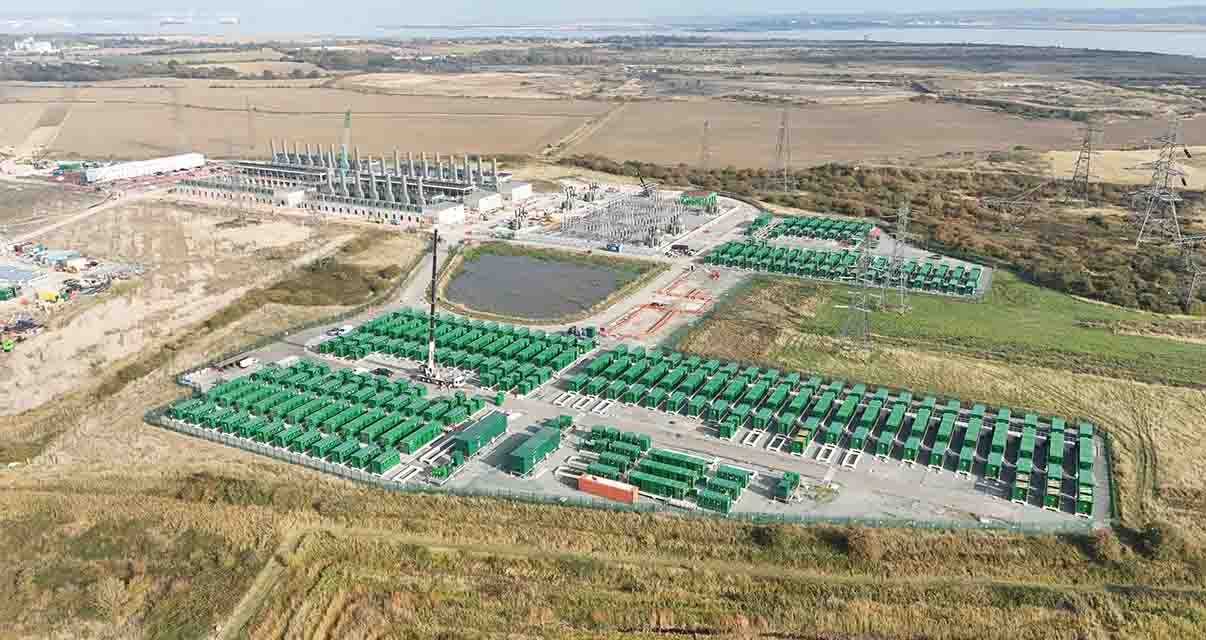
The UK energy storage market is gradually maturing.
As one of Europe’s largest grid-scale battery energy storage markets, the UK boasts the continent’s leading installed capacity of BESS (Battery Energy Storage Systems). Meanwhile, numerous new projects continue to be connected to the grid, intensifying market competition. With declining prices for ancillary services such as frequency response, the profitability of energy storage projects relying on a single revenue source faces significant challenges.
The UK government has set a target of building 23–27 GW of battery energy storage capacity by 2030 to support the integration of high proportions of wind and solar power into the grid. Energy storage demand is expected to continue growing in the coming years, but project revenue models are undergoing significant changes.
The combination of multiple revenue sources forms the core foundation for profitability.
The primary revenue sources for UK energy storage projects currently include:
- Electricity Spot Market Arbitrage (Energy Arbitrage)
- Balancing Mechanism Market
- Frequency Response Service
- Capacity Market
- Grid Auxiliary Services Market
Unlike the early approach of relying on a single frequency to generate revenue, an increasing number of operators are adopting the “Revenue Stacking” model, which uses intelligent algorithms to dynamically switch between multiple markets for maximum revenue generation.
As volatility in the UK electricity market intensifies, energy storage systems must make rapid decisions based on real-time electricity prices, weather forecasts, grid load conditions, and demand for ancillary services—imposing greater demands on EMS energy management systems and AI-driven optimization scheduling capabilities.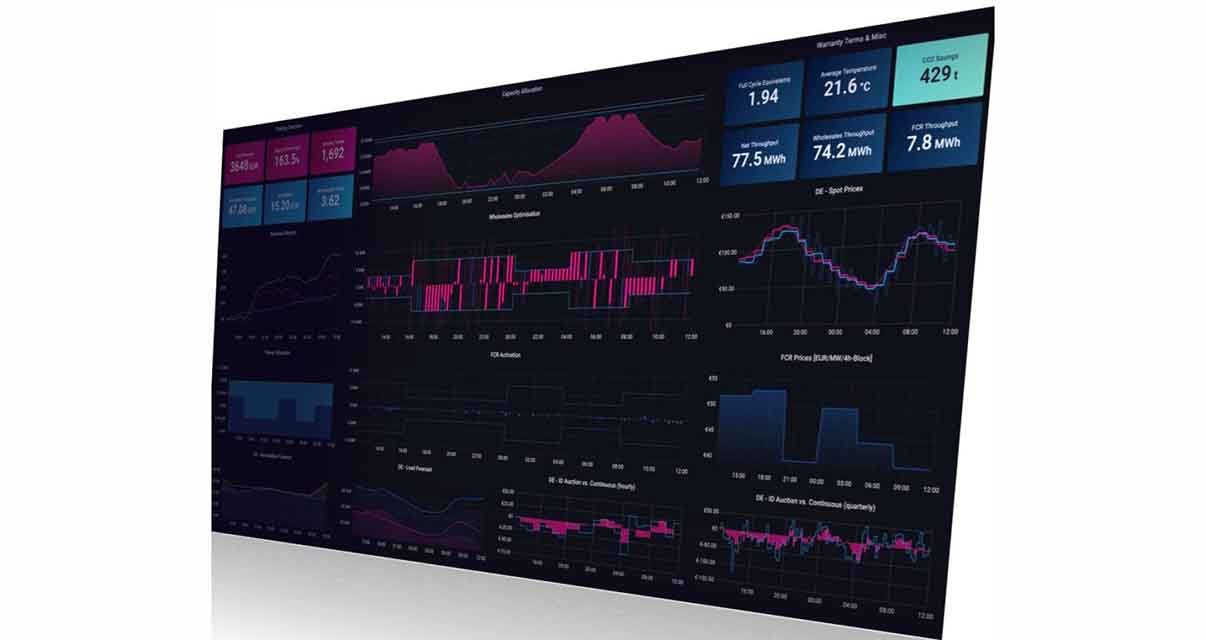
Long-duration energy storage and intelligent operation are facing new opportunities.
Industry data show that demand for 2-hour to 4-hour energy storage systems in the UK market continues to grow. Compared with early 1-hour storage solutions, long-duration storage can capture broader electricity price fluctuation ranges, thereby enhancing power arbitrage returns.
Meanwhile, the value of energy storage projects is increasingly extending beyond hardware equipment to encompass software platforms and operational capabilities. Enterprises possessing the following competencies will gain a stronger competitive edge in the future:
- Highly safe and long-lasting energy storage system;
- Intelligent EMS Energy Management Platform;
- AI-driven revenue optimization algorithm;
- Multi-market collaborative trading capability;
- Localized operations and maintenance with remote monitoring services.
moPower Perspective: The synergy between hardware and software is the future trend.
For the global energy storage industry, the development of the UK market serves as a valuable reference. Once the energy storage market reaches maturity, relying solely on equipment performance is no longer sufficient to maintain long-term competitive advantages; system integration capabilities, digital operation capabilities, and revenue optimization capabilities will become the new core barriers.
As a leading provider of professional energy storage solutions, moPower consistently focuses on developing high-performance lithium battery systems, intelligent BMS and EMS platforms, delivering end-to-end integrated solutions—from product delivery to energy management—to clients worldwide, helping project owners achieve higher return on investment in complex power market environments.