
Global New Energy Battery Industry Report
Global New Energy Battery Industry Report!Power Battery Shipments to Reach 3.8 TWh
1.Overview of New Energy Batteries
Lithium-ion batteries are the core of new energy battery technologies. Sodium-ion batteries, solid-state batteries and other emerging technologies are accelerating R&D and industrialization. The performance of new energy battery products keeps optimizing toward higher energy density, higher safety, longer cycle life, faster charging and lower cost.
Classified by downstream applications, new energy batteries are divided into energy storage batteries, power batteries and consumer batteries:
- Power batteries: Mainly used in new energy vehicles
- Energy storage batteries: Applied in energy storage systems, power transmission & distribution, power consumption, data centers, etc.
- Consumer batteries: Used in smartphones, laptops, drones, small robots, wearable devices and other emerging consumer electronics
2.Global New Energy Battery Market Size
From 2021 to 2025, the global new energy battery market maintained rapid growth. The market size expanded from about 530.5 GWh (2021) to 2,257.0 GWh (2025), with a CAGR of 43.6%.
This rapid growth was driven by:
- Rising penetration rate of new energy vehicles
- Growing demand from the energy storage sector
- Technological progress and declining battery costs
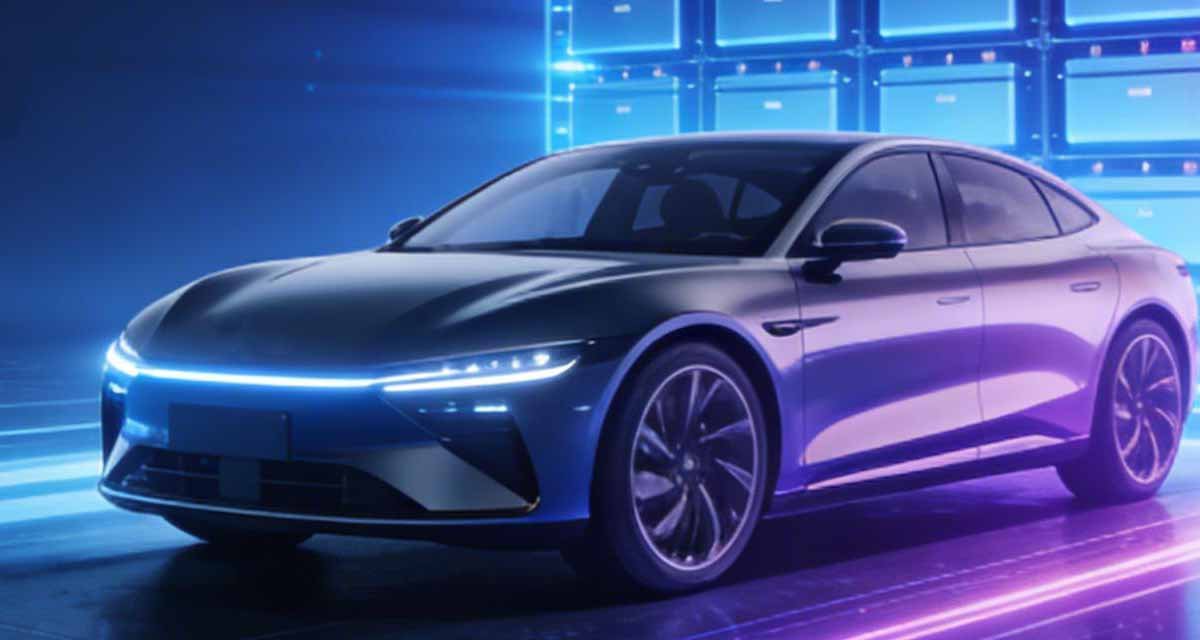
Driven by global energy structure transformation and carbon neutrality goals, the market will keep expanding. It is expected to reach 6,284.3 GWh by 2030, with a CAGR of 22.7% (2025–2030).
3.Core Market Drivers
3.1 Power Battery Industry Growth
Continuous growth in global new energy vehicle demand has driven the rapid expansion of the power battery market.
- Global NEV sales: 5 million units (2025, +29.1% YoY), over 50 million units (2030)
- Public charging stations: Exceed 7 million (2025), more than triple the 2021 level
- Battery swap stations: Over 6,000 (2025), a fivefold increase from 2021
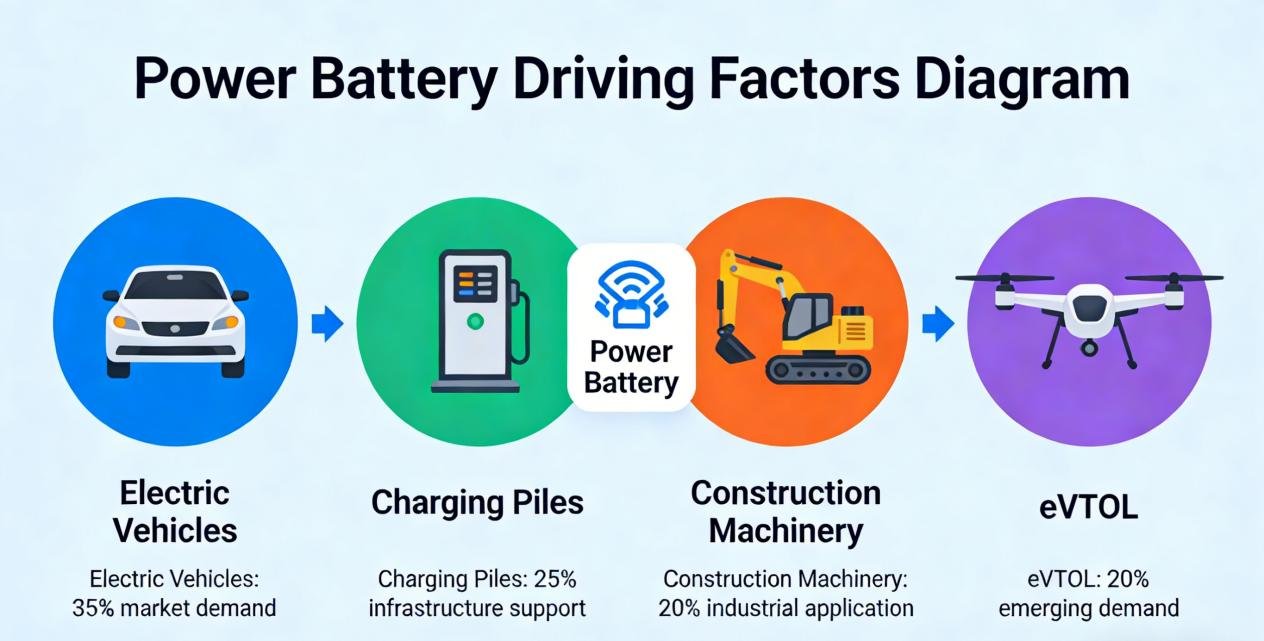
Power batteries are increasingly applied in construction machinery, ships, eVTOL and smart applications.Global power battery shipments will reach about 3.8 TWh by 2030.
3.2 Energy Storage Industry Development
Global electricity demand keeps rising driven by economic growth, population expansion and accelerated electrification.
- Global electricity demand: 27,000 TWh (2025), 31,000 TWh (2030)
- Renewable energy share: 18% (2025), around 31% (2030)
Energy storage systems have become key to balancing intermittent renewable energy generation and power consumption.
- Global energy storage battery shipments: 2 TWh (2030)
- Data center electricity consumption: 2,600 TWh (2030)
- Data center energy storage battery shipments: 0.4 TWh (2030)
3.3 Rising Demand for Consumer Electronics
Traditional consumer electronics (smartphones, tablets, laptops) keep upgrading, driving higher requirements for battery energy density, cycle life and fast charging.
Emerging smart terminals (wearable devices, drones, small robots, AR/VR) are growing rapidly, expanding the consumer electronics market.Global consumer battery shipments will reach about 0.2 TWh by 2030.
4.Industry Development Trends
4.1 Higher Requirements for New Energy Battery Materials
Downstream demand for higher battery performance has transmitted to the upstream material industry, promoting the upgrading of separators, anodes, cathodes, electrolytes and functional materials toward high-end, refined and high-performance applications.