
Power Through Crisis: Ultimate Home Energy Storage & Inverter Guide for Israeli Families
The attack on Iran’s refining facilities will have limited direct impact on Israel’s power supply, as Israel’s power generation is dominated by natural gas. The real impacts lie in oil prices, logistics disruptions and household energy security. This incident will boost demand for residential backup power, and home energy storage will benefit more than standalone solar PV systems.For an average household with an annual electricity consumption of 8,000 kWh, a 15–25 kWh battery paired with an 8–10 kW hybrid inverter is the optimal choice, striking a balance between wartime power resilience and daily cost efficiency.

After the refining facility bombings, ordinary citizens’ priority for daily living and safety has shifted from “saving money” to “ensuring uninterrupted power supply”. In wartime, residents care far less about saving a few cents per kWh of electricity, and far more about keeping refrigerators, communication devices, and night-time lighting powered on. This will directly reshape household energy consumption decisions: energy storage will evolve from an “economical product” to a “security product”. Residents will shift from “passively purchasing electricity” to “actively managing power”, moving beyond simply paying electricity bills to investing in:
- Rooftop solar PV
- Home battery storage
- Hybrid inverters
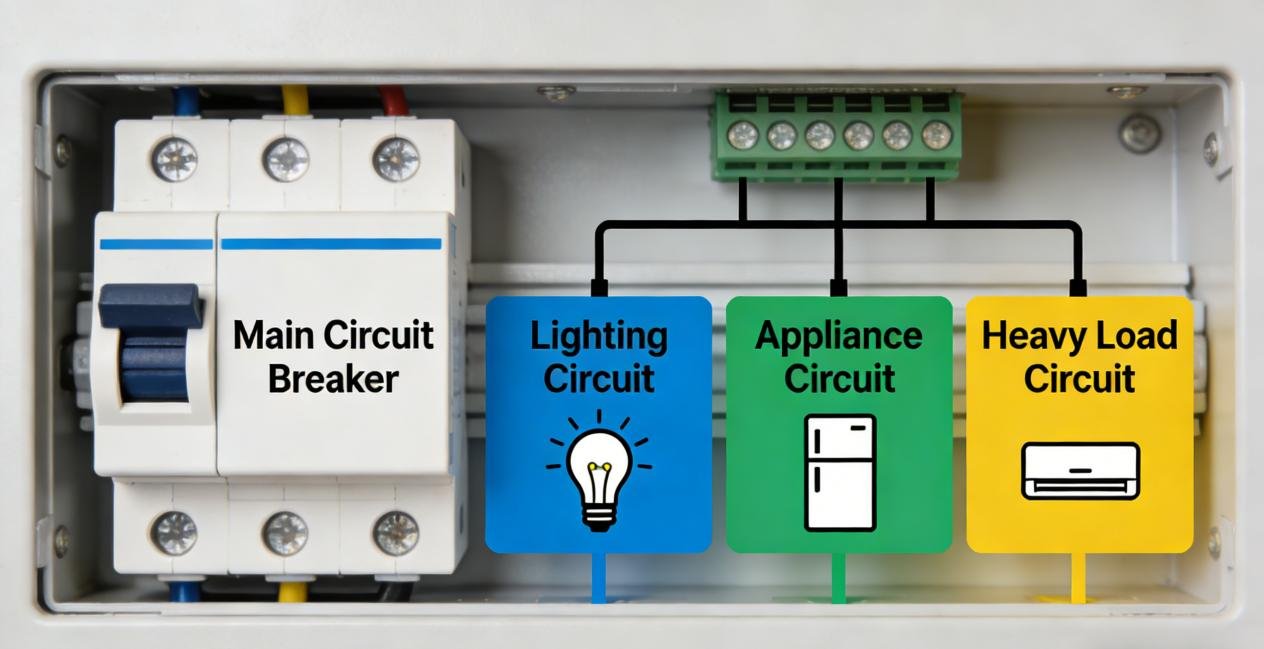
- Load prioritization and grading
- Backup power for critical circuits
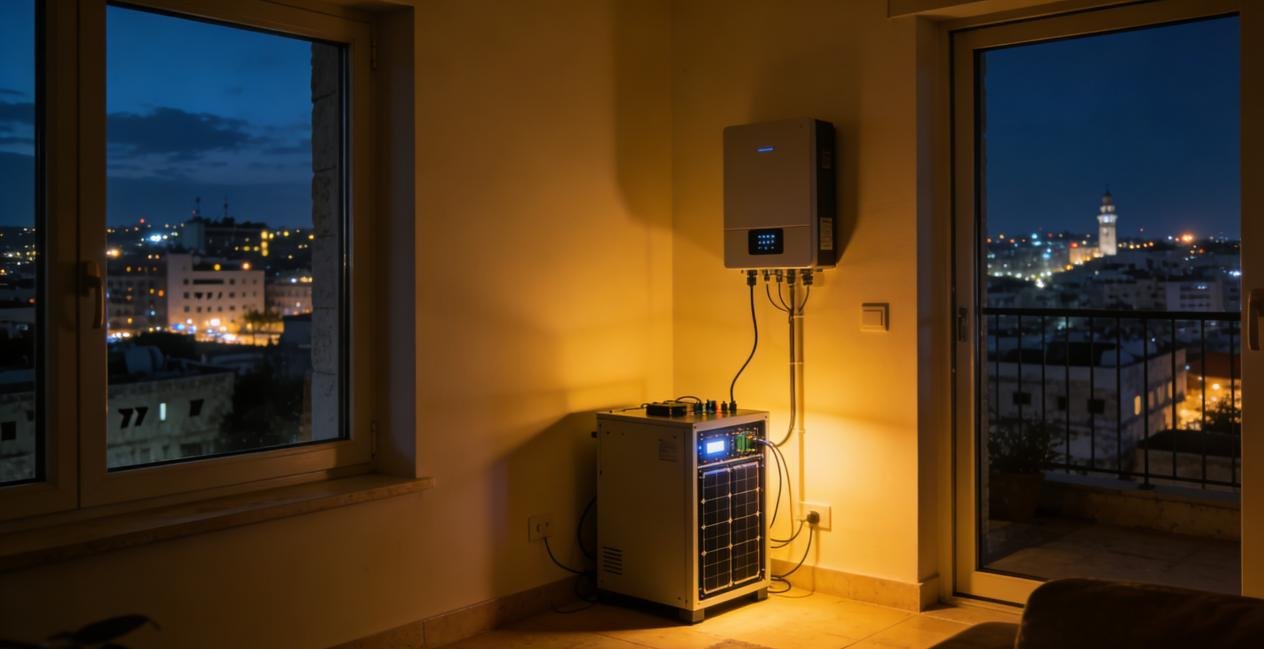
Once this consumption shift takes hold, it will not disappear entirely even after a temporary ceasefire.
Based on the electricity usage of average Israeli households, here is a practical configuration guide from moPower:
Plan A: Emergency Essential Backup (For Critical Loads Only)
Suitable for: Apartments, small households, budget-sensitive users; priority to power refrigerators, routers, lighting, mobile phones, computers and security systems.
- Battery capacity: 10–15 kWh
- Hybrid inverter: 5–6 kW
- Solar PV: 3–5 kW (installed only if rooftop space is available)
- Endurance: Critical loads can be powered for 8–18 hours
- Advantage: Highest cost-performance ratio, the most popular household configuration during wartime
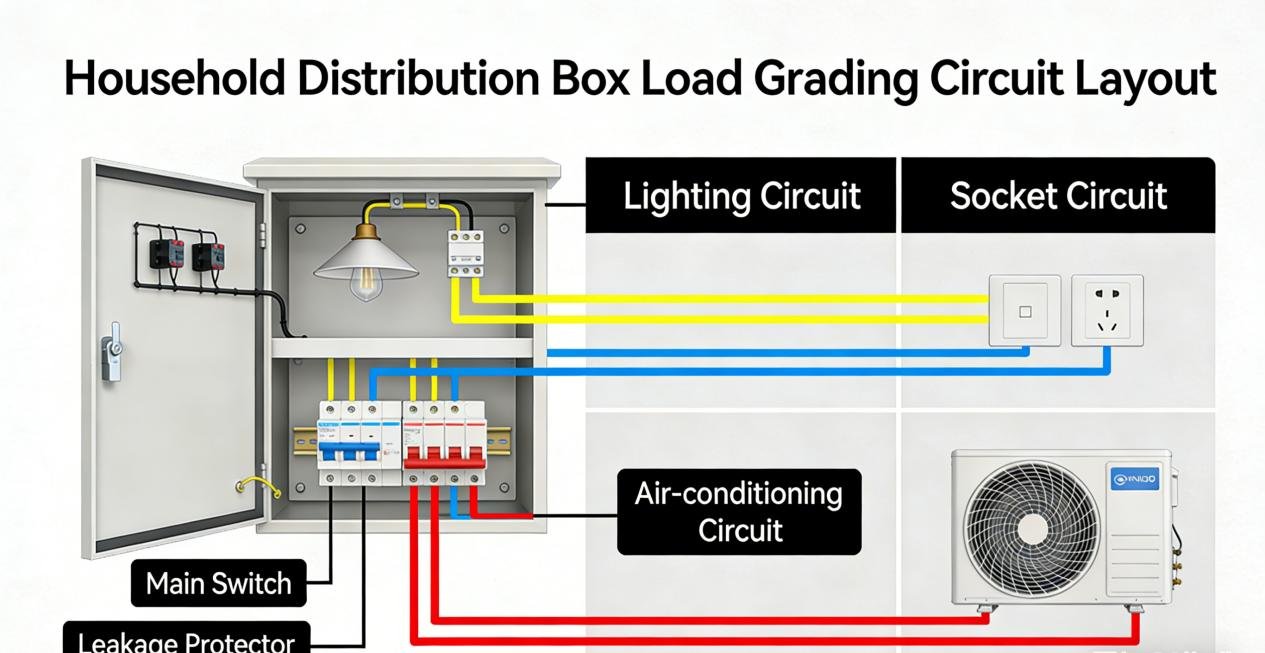 Plan B: Comfort Backup (Critical Loads + Partial Air Conditioning)Suitable for: Families of 3–5 members, aiming for self-consumption of solar power during the day and stable backup power during blackouts at night.
- Battery capacity: 15–25 kWh
- Hybrid inverter: 8–10 kW
- Solar PV: 5–8 kW
- Endurance: Covers most critical household circuits, supports staggered use of partial air conditioners and small kitchen appliances
- Advantage: The most suitable mainstream combination for middle-class Israeli households
Plan C: High-Resilience Whole-House Backup (Detached Houses/Villas/High Security Demand)
Suitable for: Detached homes, households far from urban core areas, and families highly sensitive to power outages.
- Battery capacity: 25–40 kWh
- Hybrid inverter: 10–15 kW
- Solar PV: 8–12 kW
- Features: Strong self-sufficiency during the day, maintains multiple loads at night, ideal for over 24 hours of continuous power resilience
 Warm Tips from moPower
- For dual goals of wartime risk preparedness and daily power savings, the combination of 15–25 kWh battery + 8–10 kW hybrid inverter offers the best balance.
- Apartment residents should prioritize separate wiring for critical loads, and avoid pursuing “whole-house uninterrupted power” at the initial stage.
- Households with a 3×25A three-phase power connection(the standard model for representative households set by regulatory authorities) should give priority to three-phase hybrid inverters. Otherwise, startup issues may occur with high-power air conditioners and some household appliances.